DEMANDING THE FUTURE ANNUAL REPORT 2025

Download PDF
PAI Annual Report 2025 cover
Photo credits

Front cover, top to bottom:

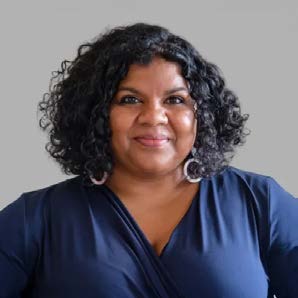
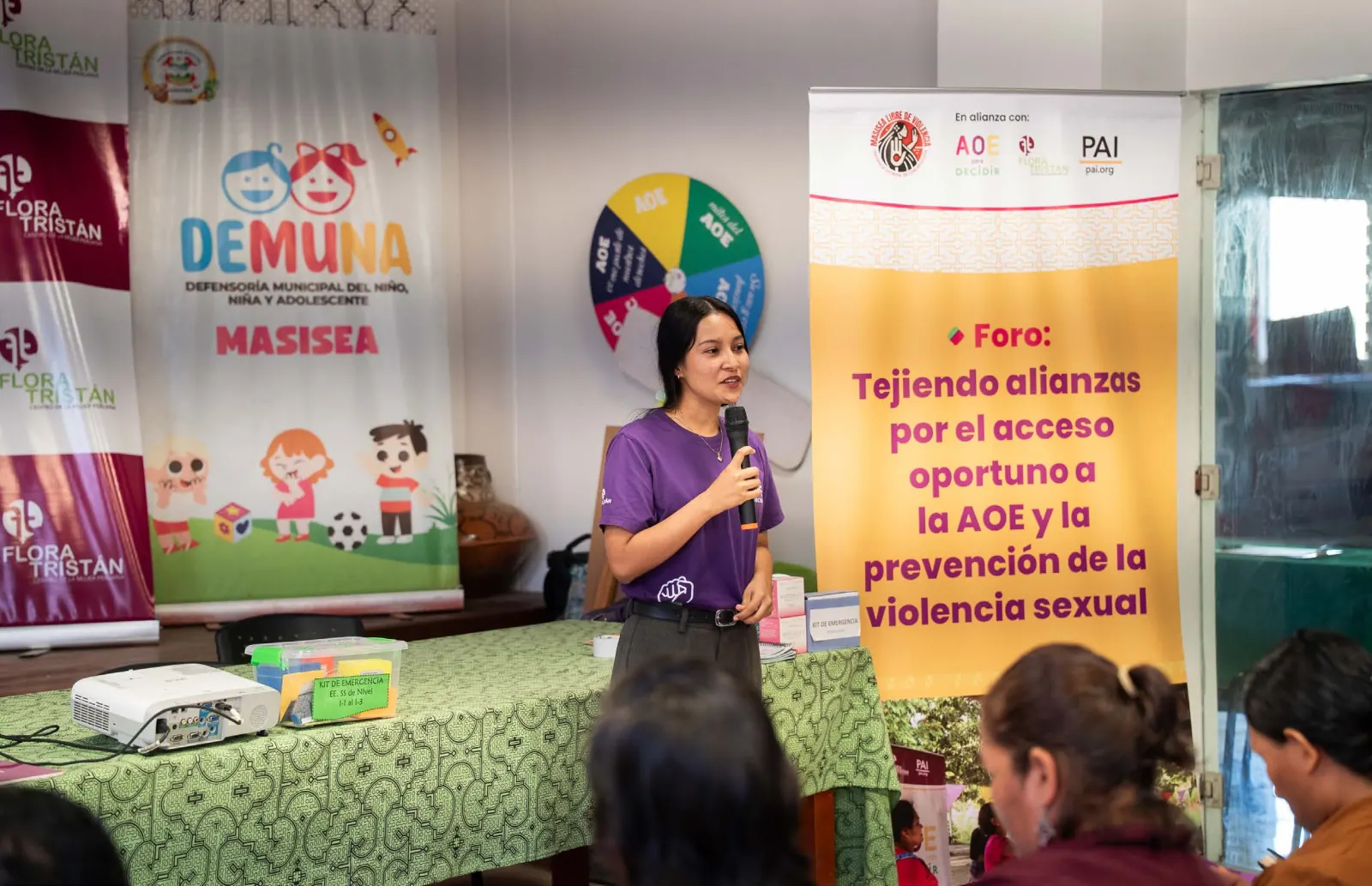
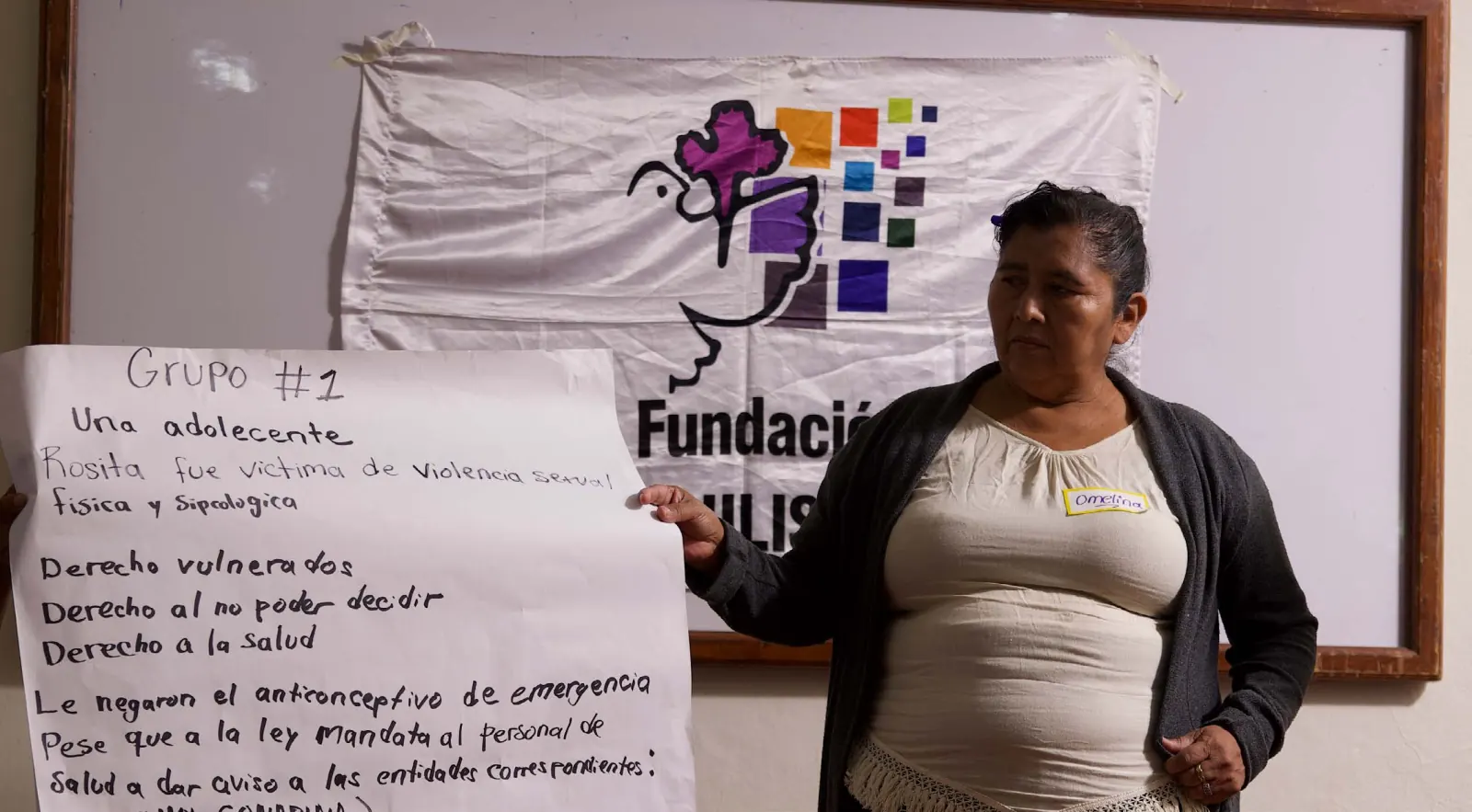
Janeth Roxana Davila Nunta is a feminist activist, human rights defender, and bilingual facilitator at PAI partner CMP Flora Tristán in Peru. With support from PAI, Flora Tristán actively campaigns for women's reproductive rights, including working to ensure that state and public health systems recognize and distribute emergency oral contraception freely as a fundamental component of sexual and reproductive health.

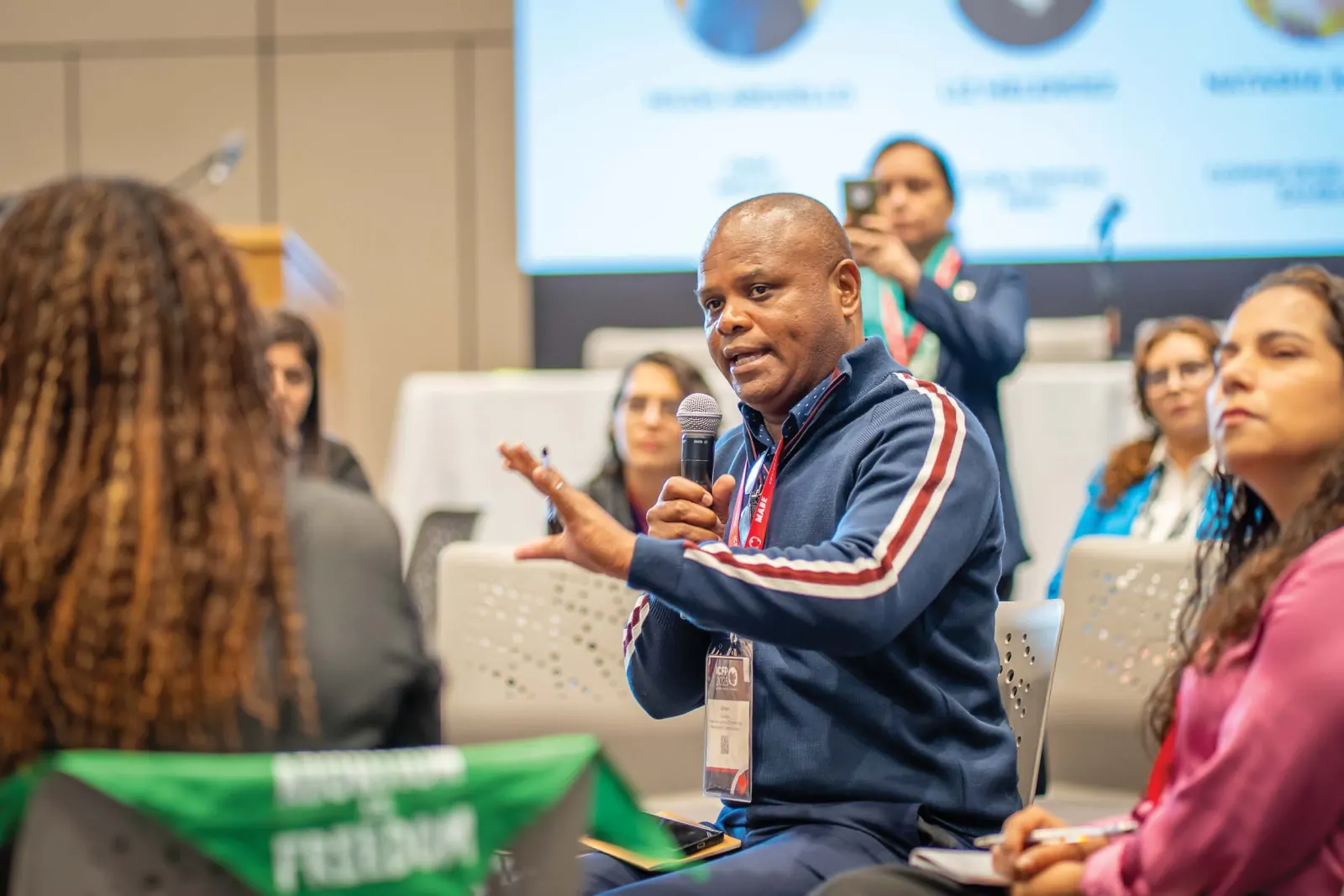
Dr. Natasha Kaoma, co-founder and CEO of Copper Rose Zambia, speaks at the 2025 International Conference on Family Planning. Copper Rose Zambia is a dynamic, youth-led NGO focused on youth development, health, and gender equity. Founded in 2015, it operates key programs centered around sexual and reproductive health rights, leadership training, and menstrual hygiene management.

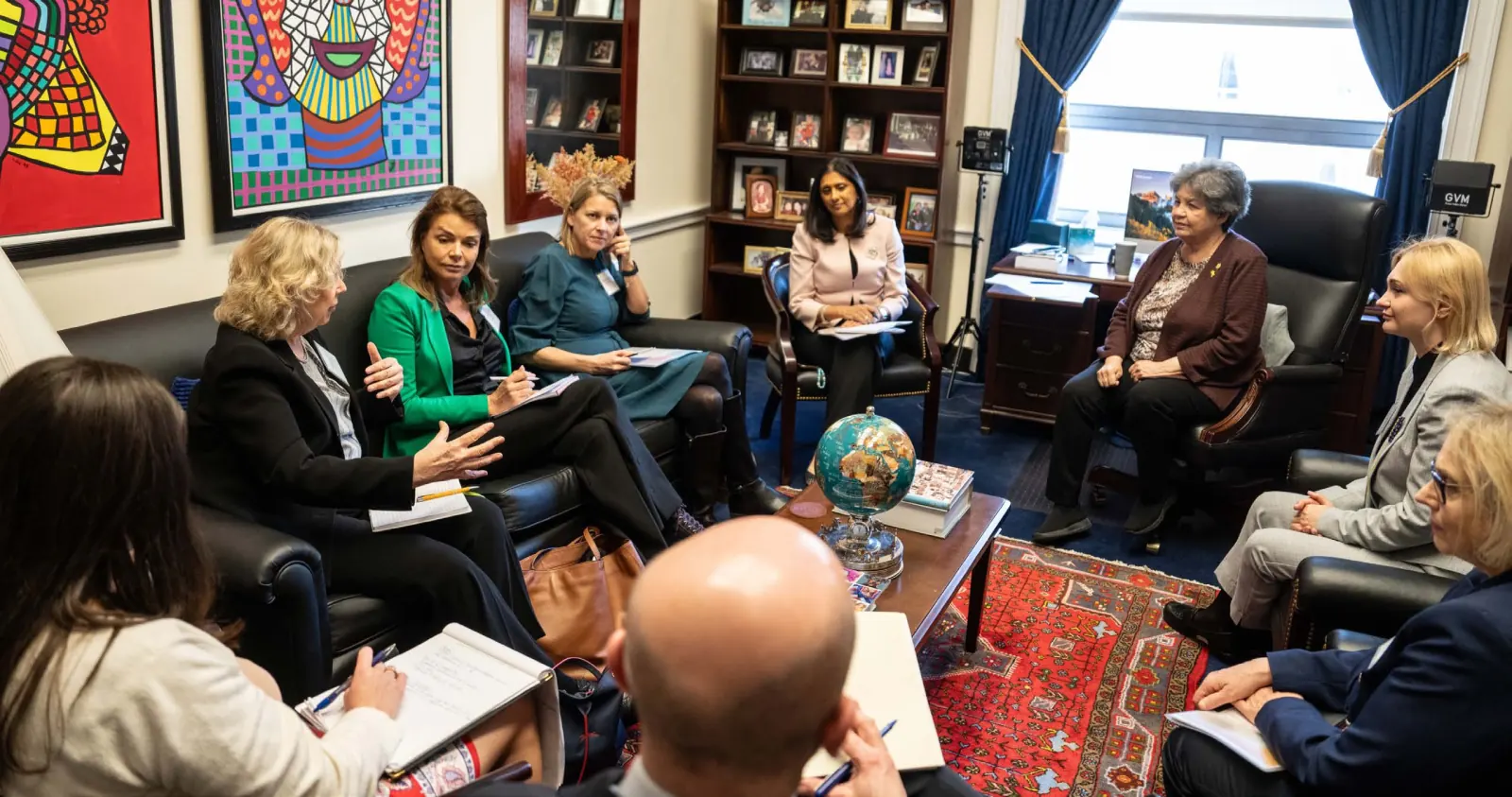
U.S. Representative Grace Meng is is pictured meeting with PAI and delegation of European and Canadian parliamentarians. Representative Meng is a Congressional champion for reproductive freedom, menstrual equity, expanding access to contraception, and funding domestic and international family planning programs.

Private evaluation media
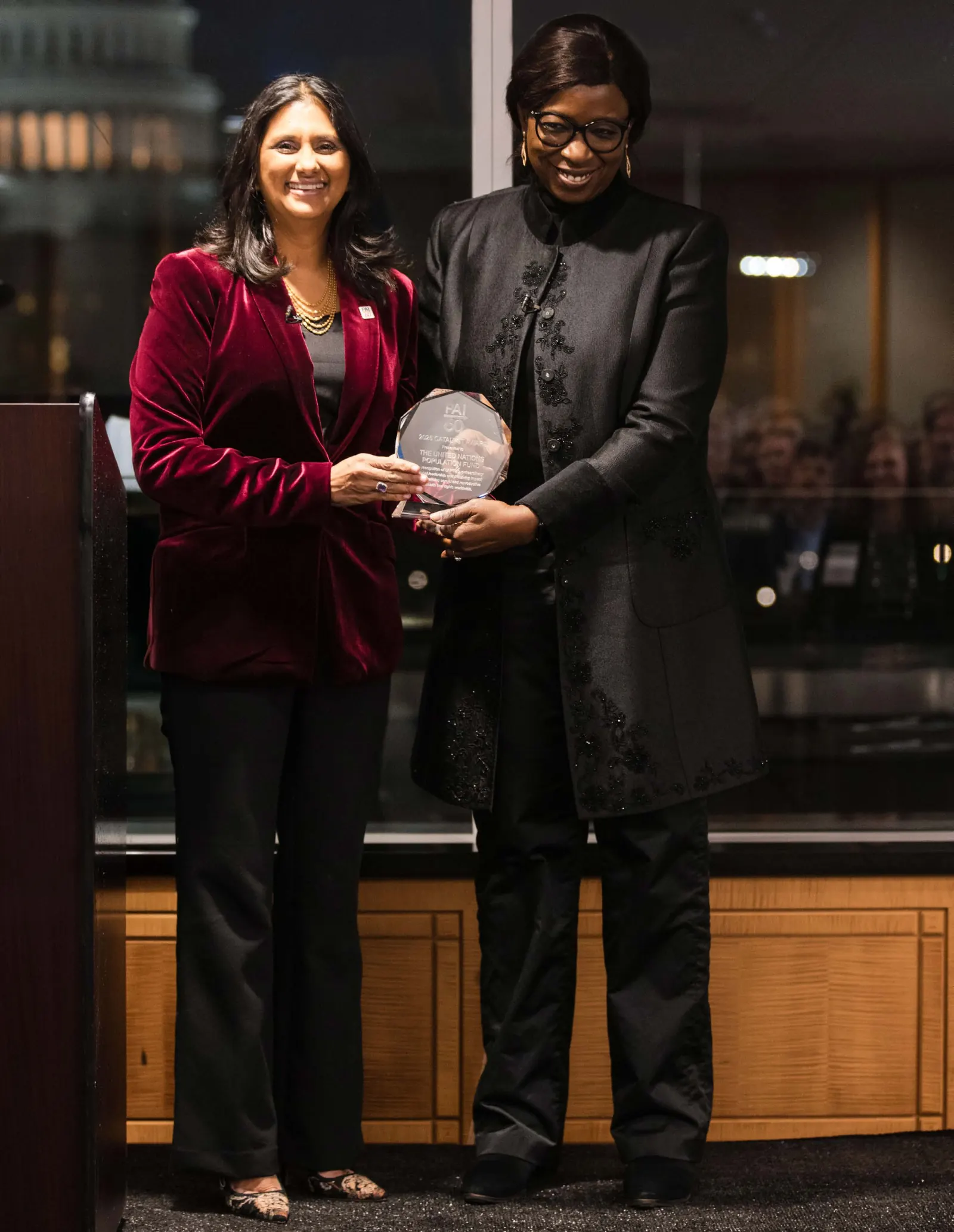
For 60 years, PAI has helped shape the global movement for sexual and reproductive health and rights, including through its longstanding partnership with UNFPA. During PAI's 60th anniversary celebration, President and CEO Nabeeha Kazi Hutchins presented the 2025 PAI Catalyst Award to UNFPA. Executive Director and UN Under-Secretary-General Diene Keita accepted the award on behalf of the organization, recognizing decades of partnership and shared leadership in advancing sexual and reproductive health and rights worldwide.

Dear friends,

In 2025, PAI marked 60 years of advancing sexual and reproductive health and rights around the world.

That milestone has been an opportunity to reflect not only on how far we’ve come, but on what six decades of advocacy have taught us. Above all, we've learned that lasting progress is never built by institutions alone, but by communities working together toward a shared vision of dignity, equality, and opportunity.

That lesson proved especially important this year. Sweeping cuts to U.S. foreign assistance disrupted decades of U.S. global health leadership almost overnight. Programs ended, clinics closed, and lifesaving contraceptives continue to sit stranded in warehouses. Systems that millions of people had relied upon were suddenly thrown into uncertainty.

As institutions faltered, PAI and our partners did not. Around the world, our partners adapted with remarkable resilience, continuing to lead through crisis. And that leadership was cultivated through years of trust-based partnership, flexible support, coalition-building, and shared learning.

The year also underscored that sexual and reproductive health cannot be defended or advanced in isolation. It is fundamental to safer communities, stronger economies, climate resilience, and sustainable development. More than ever, we must build bridges across sectors, not only to defend reproductive health as a fundamental human right, but also to advance it as a catalyst for broader social and economic progress.

That understanding also inspired the launch of Freedom Starts With Her, PAI’s bold new initiative to engage Americans in the future of U.S. global reproductive health leadership. The initiative is designed to build the broad public support needed to sustain U.S. leadership for generations to come. Just as we have worked alongside local leaders to strengthen advocacy and build lasting movements globally, we are now applying those same lessons at home.

Throughout this report, you’ll see the lessons we’ve learned in action. You will see partners defending rights, strengthening coalitions, demanding accountability, and elevating evidence to shape better policy.

You will also see an organization that continues to evolve while remaining firmly rooted in the principles that have guided our work since 1965.

Sixty years ago, PAI was founded on the belief that everyone should have the power to decide whether and when, and under what circumstances to have children. That belief remains as urgent today as it was then.

While the challenges before us have changed, our commitment has not.

None of this would be possible without you. We are deeply grateful to our partners, donors, and supporters whose commitment makes this work possible. As PAI enters its next chapter, we do so with confidence— not because the road ahead will be easy, but because sixty years of partnership have demonstrated what is possible when people come together around a shared purpose. Together, we will continue working toward a future where every person has the freedom, opportunity, and power to shape their own lives.

Thank you for standing with us as we continue this work together.

With gratitude,
NABEEHA KAZI HUTCHINS President and CEO, PAI

NEERAJA BHAVARAJU Chair, PAI Board of Directors

PAI 60

1965-2025

PAI celebrates its 60th anniversary and enters its next era of impact.

This moment is anchored by global partnerships; significant new investments from the Gates Foundation, the William & Flora Hewlett Foundation, Wallace Global Fund, and Action for Women’s Health funded by Pivotal; the continued support of long-standing donors, friends, and family; and a deeply committed staff and Board of Directors advancing sexual and reproductive health and rights for all.
1965

Population Crisis Committee (PCC), later renamed Population Action International, is officially established.

1969

PCC mobilizes support and helps establish both the Office of Population within the U.S. Agency for International Development (USAID) and the United Nations Fund for Population Activities (UNFPA).

1974

PAI helps to bring about the declaration of World Population Year and the first World Population Conference in Bucharest where 135 countries adopted a World Population Plan of Action. General Draper is active member of official U.S. government delegation.

1988

PAI helps establish the Reproductive Health Technologies Project, which led efforts to legalize RU-486 (also known as mifepristone) by educating policymakers and advocates in France and the U.S.

1989

PAI leads major mobilization to block a joint congressional/administration effort to eliminate line-item budgets for population aid.

1993

PCC changes its name to Population Action International to underscore commitment to action—to bring family planning and reproductive health services to all who need them.

1999

PAI is part of the official U.S. delegation to the ICPD+5 forum at the Hague, including serving among a group of select NGO representatives to organize a parallel NGO forum and cementing the organization's role and a leading resource on financing.

2001

PAI plays a vital role in convincing Congress of the link between population and biodiversity, and in getting the U.S. government and international community to recognize the relationship between sexual and reproductive health and the environment.

2004

PAI serves as one of three organizations leading efforts to revitalize commitment to the landmark ICPD Programme of Action on its 10th anniversary. Congress earmarks a funding increase to $441 million for USAID and a $34 million contribution for UNFPA, stipulating that any funds withheld from UNFPA will be spent on family planning by USAID.

2008

With a $4 million investment from the Bill & Melinda Gates Foundation, PAI leveraged over $100 million in funding from the Global Fund to Fight AIDS, Tuberculosis and Malaria for integrated reproductive health and HIV prevention services.

2009

PAI staff conduct 180+ congressional meetings, and help secure a record $648.5 million for bilateral and multilateral FP/RH programs in the FY 2010 budget.

2015

PAI secured $12.5 million increase for international family planning in President Obama's budget request.

Marking its 50th anniversary, PAI launches Rights and Results: A Reproductive Health Index, measuring progress on SRHR across 62 countries and providing evidence to strengthen policy, investment, and accountability.

2017

PAI is the first to break the story on President Trump's expansion of the Global Gag Rule, documenting its application to all global health assistance.

As a result, PAI became the primary source for timely, accurate analysis for journalists, partners, and policymakers in the U.S. and abroad.

2022

PAI becomes the NGO Host for the World Bank's Global Financing Facility, supporting the advocacy priorities of more than 56 civil society and youth-led organizations across 24 countries and elevating local voices in global health decision-making.

2024

Marking the 30th anniversary of the International Conference on Population and Development, PAI helped shape congressional resolutions, advised senior Biden administration officials, convened a high-level event, and catalyzed a White House commitment to renewed global reproductive health leadership.

PAI provided $2.6 million in flexible funding and technical support to 77 local organizations in 35 countries, advancing locally led advocacy for sexual and reproductive health and rights.

2025

PAI launches Freedom Starts With Her, a U.S.-focused public engagement campaign to foster grassroots education and support for U.S. foreign assistance for sexual and reproductive health.

PAI rings in it's next decade alongside UNFPA Executive Director Diene Keita and a community of champions and supporters.

2025 by the numbers

From the halls of Congress to rural communities, from courtrooms to classrooms, PAI and our partners stood together to defend rights, strengthen systems and demand a future where everyone has the freedom and autonomy to shape their own lives.
60 years
136 members of Congress
30+ U.S.senators
200+ Americans
397M
80 civil society organizations
Advancing sexual and reproductive health and rights around the world.

Supported robust funding for international family planning through PAI-led advocacy.

Signed PAI's petition demanding transparency and accountability for lifesaving contraceptive supplies.

Audience reach in 11 different leading news outlets, raising awareness and urgency around the effects of U.S. foreign assistance policies on the health and rights of women and communities around the world.

United to oppose rescissions of international family planning funding.

&

136 Indigenous women leaders trained in Peru.

55 Community education initiative led by those women.

1,537 Community members reached through peer-led outreach.

6 global conferences Throughout the year, PAI engaged with new and familiar stakeholders to amplify the benefits of investing in family planning and elevate research and insights.

100 + teachers trained to facilitate school and community workshops and equip adolescents with evidence-based knowledge of contraception and sexual and reproductive health and rights.

50 + journalists trained in Malawi to improve responsible reporting, generating widespread national coverage of abortion as a health and rights issue rather than a moral debate.

6 universities visited as PAI traveled to colleges around the country to engage with students on domestic and global sexual and reproductive health and rights issues.

Showing up in Congress

In January, the dismantling of U.S. foreign assistance and its infrastructure sent shockwaves through global health systems. Rather than retreat, PAI sought to lead through the chaos and uncertainties, and keep reproductive health and rights on the congressional agenda.

Private evaluation media
In March, we partnered with the European Parliamentary Forum for Sexual and Reproductive Rights to bring a delegation of European and Canadian parliamentarians to Washington, D.C. Together with U.S. advocates, they exchanged lessons on defending reproductive health funding, navigating political backlash, and sustaining cross-party support.

The abrupt closure of the U.S. Agency for International Development (USAID), which for six decades served as the backbone of U.S. global health leadership, resulted in frozen funding and endless stop-work orders. Nearly all family planning programming came to a halt. While PAI has never taken U.S. government funding, the consequences for our sector and on all that PAI has fought so hard for, for 60 years, have been profound.

For communities that relied on U.S.-supported contraceptive and reproductive health services, the consequences on the health, safety, and well-being of women and youth were immediate.

PAI immediately began briefing Members of Congress and engaging with the relevant Congressional committees to uplift the realities of partners navigating these unprecedented and devasting funding cuts. We provided lawmakers with analyses that articulated everything at stake: maternal mortality, contraceptive access, and U.S. leadership and credibility.

PAI also hosted a delegation of European and Canadian parliamentarians in Washington, D.C., in partnership with the European Parliamentary Forum for Sexual and Reproductive Rights. We convened global health advocates for a roundtable and facilitated meetings with members of Congress and congressional staff. These conversations reinforced the importance of international cooperation in protecting reproductive health and rights.

In addition to documenting the damage, we worked to shape the response. PAI helped craft the statutory language that would reaffirm U.S. commitment to the United Nations Population Fund, introduced by Representative Chrissy Houlahan as the Support Funding for UNFPA Act of 2025. We mobilized support through congressional sign-on letters that closed with 136 House Members and more than 30 Senators backing continued and robust international family planning funding.

And, when the world learned that contraceptive commodities valued at $9.7 million were stranded in warehouses in Belgium rather than being shipped to the women and communities in Africa who relied on them, PAI organized a standing-room- only Hill briefing emphasizing the dire need for accountability. Soon after, Senators Brian Schatz and Jeanne Shaheen introduced the Saving Lives and Taxpayer Dollars Act, with companion legislation in the House. The bill underscores a principle PAI has long championed: public dollars must be used responsibly, and lifesaving commodities must reach the people who need them.

When the administration proposed clawing back already-appropriated family planning funds—and Congress ultimately passed the Rescissions Act, cutting $500 million in bilateral family planning and reproductive health funding—PAI was deeply engaged in opposing the rollback. We submitted outside witness testimony, drafted amendments to restore funding, produced side-by-side legislative comparisons for Hill allies, and mobilized nearly 80 civil society organizations to demand continued investment.

PAI continues to brief Members of Congress and lead and work alongside our International Family Planning Coalition partners to protect and advance U.S. family planning foreign assistance. While the policy landscape remains uncertain, our sustained engagement will focus on defending U.S. leadership in global reproductive health.

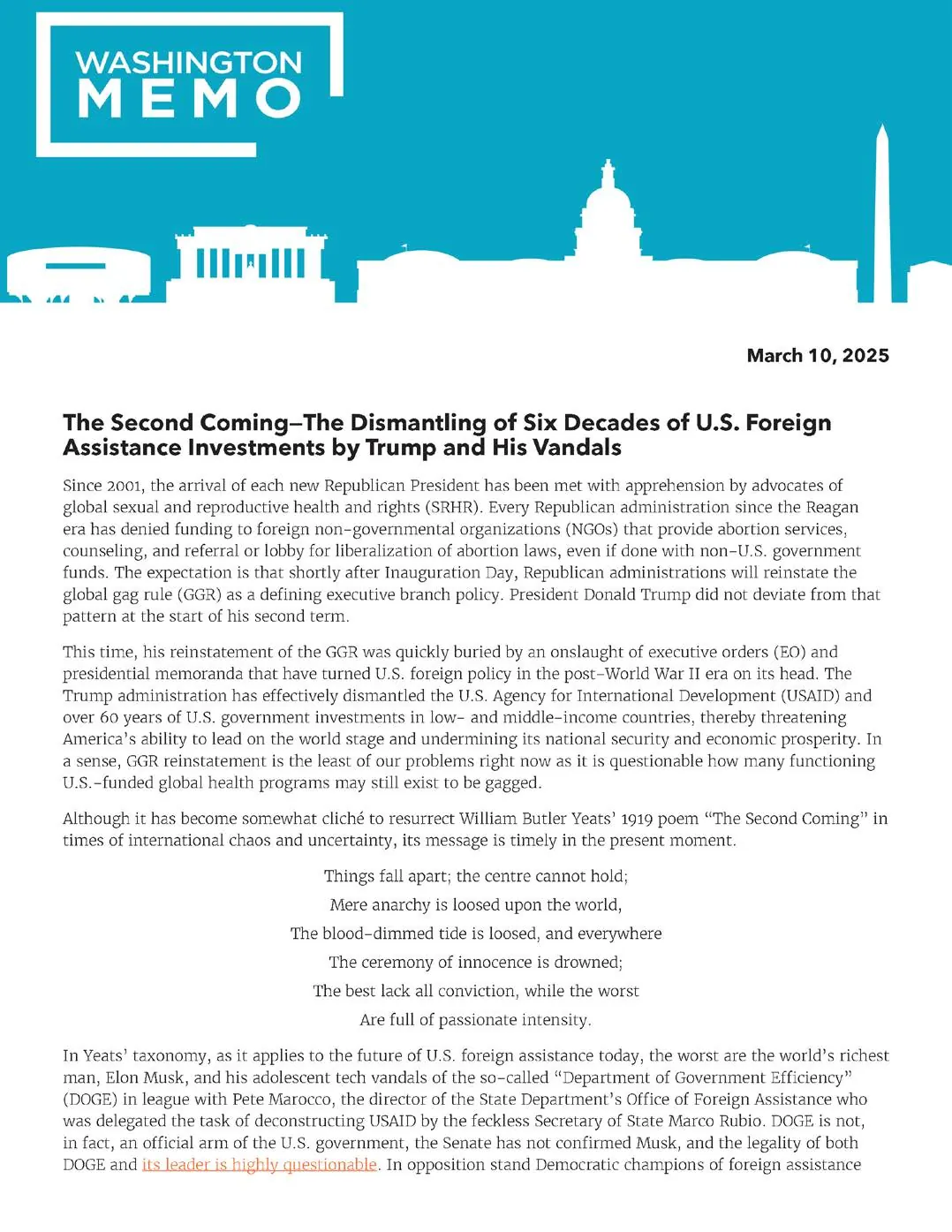
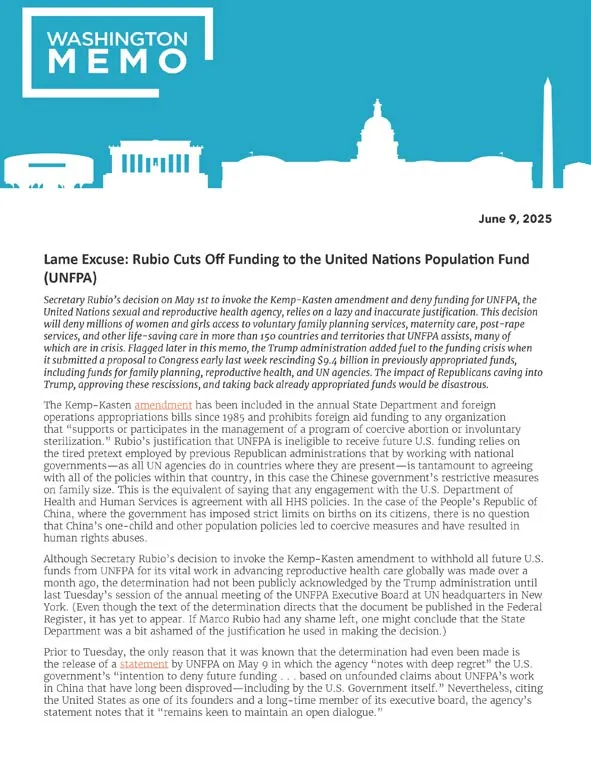
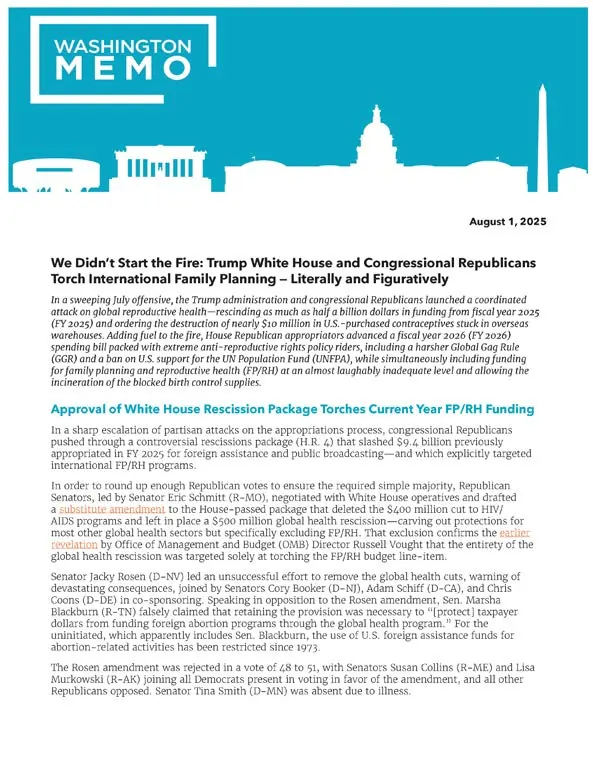
PAI Washington Memo dated March 10, 2025PAI Washington Memo dated June 9, 2025PAI Washington Memo dated August 1, 2025
Throughout 2025, PAI's Washington Memos were an essential resource for policymakers, advocates, and partners navigating a rapidly changing U.S. foreign policy landscape. Published in real time, they translated legislative and executive actions into clear analysis, offering advocates and decision-makers the information to defend reproductive health and rights.

Mobilizing U.S. Audiences

For too long, debates about U.S. foreign assistance and international family planning have remained largely confined to Washington insiders and advocacy networks. But, protecting global reproductive health will require public engagement alongside policy expertise. Yet, the American public — whose tax dollars fund these programs — has been left out of conversations that shape billions of dollars in global health investments.

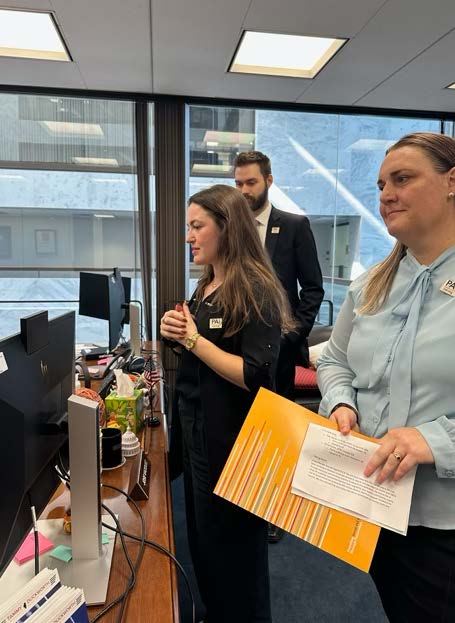
PAI staff entering the Rayburn House Office BuildingPrivate evaluation media
PAI staff enter the Rayburn House Office Building on their way to deliver more than 200 petition signatures to several congressional offices. More than 200 Americans joined PAI in urging Congress to stop the planned destruction of $9.7 million in taxpayer-funded contraceptives and demand transparency and accountability for lifesaving global health supplies.

The rollback of Roe v. Wade, U.S. aid cuts, and coordinated attacks on reproductive freedom have left women and girls facing lost education, deepened poverty, and shattered opportunities.

While these decisions have been made at the highest levels of policy and law in the United States, they do not reflect the views of most Americans.

The reality is that Americans broadly support reproductive freedom.

Americans understand that when women and girls have access to menstrual supplies, accurate information about their rights, and the ability to access and use contraception, they are better able to shape their own futures. At its core, this is about something fundamental: Americans believe in freedom, opportunity, and fairness—and that includes the ability for every person to make decisions about their own body and their own life.

In October, PAI launched Freedom Starts With Her, a bold initiative to build a new generation of advocates committed to protecting and advancing reproductive freedom in the U.S. and globally. By connecting global reproductive freedom to the values Americans hold—freedom, opportunity, and fairness—Freedom Starts With Her creates clear pathways for people to engage with elected officials, influence policy, and help ensure that U.S. leadership reflects both evidence and the will of the American people.

The launch of FreedomStartsWithHer.org marked the beginning of this expanded engagement. The website serves as a hub for accessible education, compelling storytelling, and action-oriented resources, such as an advocacy primer to equip Americans with the context and tools to understand how U.S. policy shapes global reproductive health outcomes — and how they can influence those decisions.

Freedom Starts With Her represents an important and urgent strategy evolution in PAI’s approach.

Through this bold new initiative, we are moving the conversation beyond traditional advocacy spaces in Congress to engaging the very communities that Congress is supposed to be accountable to. We spent 2025 designing the next phase of engagement: structured virtual Learning Labs and city-based activations that will bring deeper dialogue and relationship-building directly into communities across the United States.

As part of this expanded engagement, PAI engaged directly with young people, recognizing their role in shaping the future of reproductive freedom.

In 2025, PAI held conversations with students at Columbia University, Georgetown University, George Washington University, Stanford University, University of California Berkley, University of San Francisco and Borlaug Youth Institute students during the World Food Prize in Des Moines, Iowa.

Students had the space for candid exchanges on issues ranging from contraceptive access and menstrual health to the global consequences of U.S. foreign policy decisions. Just as importantly, these conversations surfaced the perspectives of young people navigating an increasingly complex political landscape and taking action in their own communities. They affirmed that, when equipped with the right tools and knowledge, young people are positioned to lead the reproductive rights movement.

As we continue to advocate in the halls of Congress, we are also building the constituency that sustains advocacy. We are connecting global reproductive health to shared American values of freedom and responsible governance, and paving new pathways for engagement.

Freedom Starts With Her campaign artwork
In October, PAI launched Freedom Starts With Her, a bold initiative to build a new generation of advocates committed to protecting and advancing reproductive freedom in the U.S. and globally. Visit the website, learn more, and stay engaged with the campaign.

Demanding Transparency

In 2025, PAI worked to ensure that U.S. foreign assistance decisions were not made without accountability or transparency. Through rigorous analysis and sustained engagement with policymakers, we amplified the real-world consequences of policy choices that would have devastating implications for communities around the world. As a trusted resource to media outlets, we helped ensure evidence-based reporting and transparency on the state of family planning and global health foreign assistance, sounding the alarms about the resounding consequences for women and girls, young people, and other communities around the world.

PAI campaign graphic: Access, not incineration

The dismantling of USAID disrupted the delivery of global health programs and halted funding for nearly all international family planning initiatives. Clinics and implementing partners faced uncertainty as programs were suspended and payments stalled. PAI began working, producing actionable policy analyses, offering our public commentary, and engaging with congressional offices to highlight the human and economic costs of delays and disruptions in family planning programs.

PAI also acted quickly to sound the alarm when nearly $9.7 million worth of contraceptive commodities intended for distribution to countries with urgent need had become stranded in a warehouse in Belgium. The implications were profound: Millions of dollars in usable, lifesaving commodities faced incineration while communities around the world continued to face unmet need for family planning services.

PAI launched a national petition calling on the administration to halt the destruction of lifesaving supplies, provide full transparency about their status, and uphold America’s legacy of global health leadership. The petition laid bare what was at stake: wasted taxpayer dollars, increased risk of unintended pregnancies, unsafe abortions and preventable health complications for women and their pregnancies. More than 200 people signed on, and their names were delivered directly to Members of Congress.

Our U.S. government relations team also briefed members of Congress and engaged coalition partners to call for Congressional scrutiny. Our advocacy helped catalyze congressional action. Senators Brian Schatz and Jeanne Shaheen, along with House leaders Gregory Meeks, Lois Frankel and Grace Meng, introduced the Saving Lives and Taxpayer Dollars Act, designed to prevent the destruction of U.S.-funded humanitarian commodities during administrative disruptions.

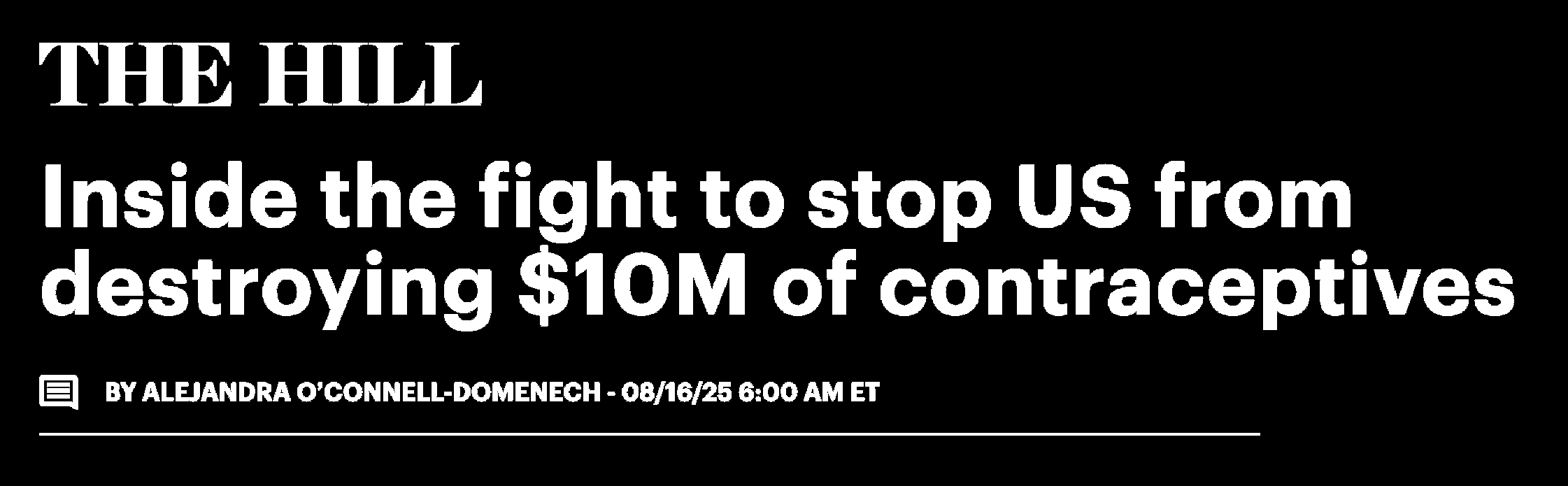
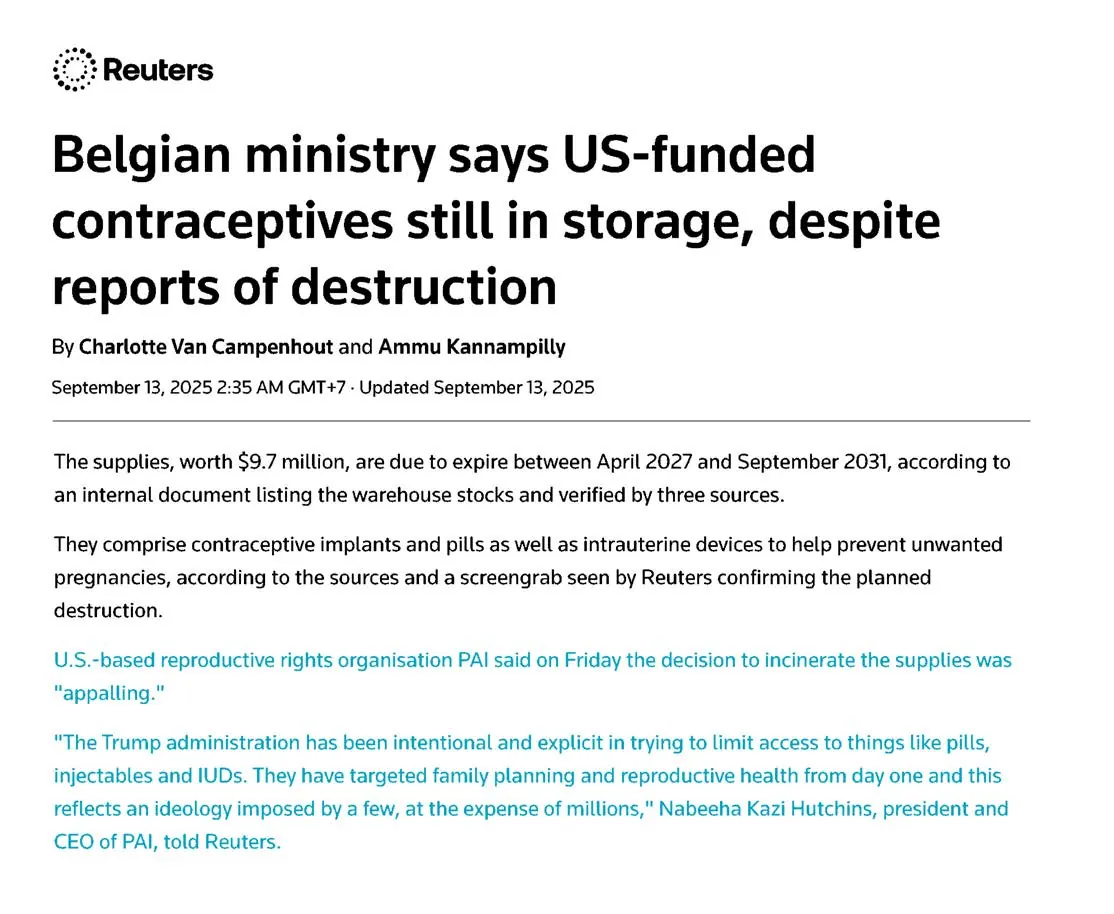
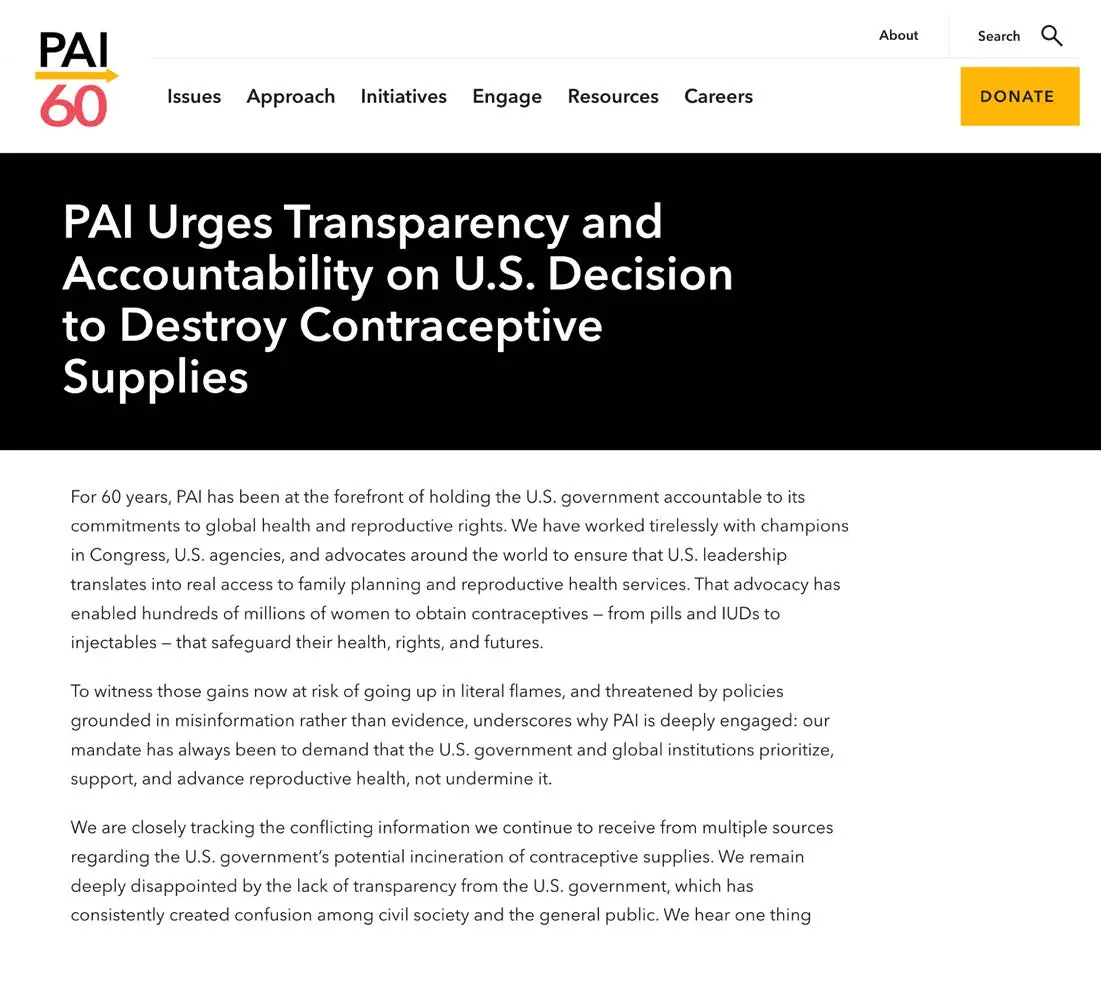
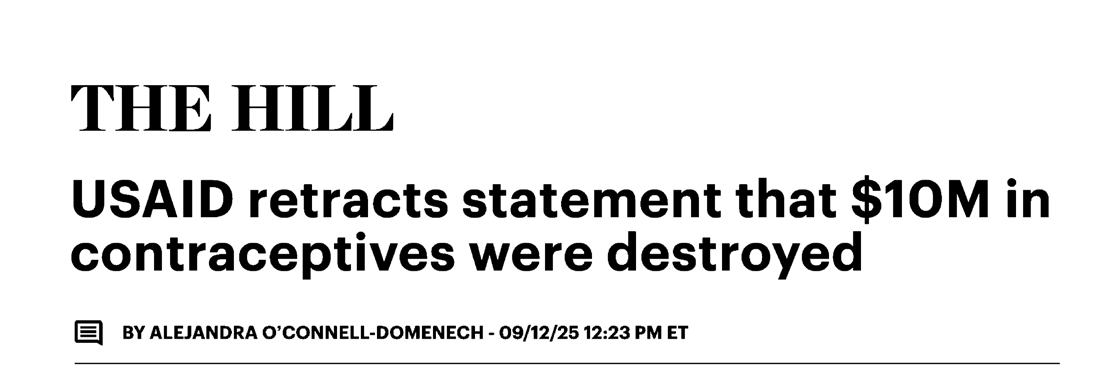
The Hill headline about stopping the destruction of contraceptivesReuters reporting on U.S.-funded contraceptives stored in BelgiumPAI statement urging transparency and accountabilityThe Hill follow-up headline about the contraceptive supplies
Through national media engagement, PAI helped shape public discourse around the proposed destruction of taxpayer-funded contraceptives, amplifying calls for transparency and responsible stewardship of public resources.

Sustaining Coalitions

Preserving our Rights

Private evaluation media
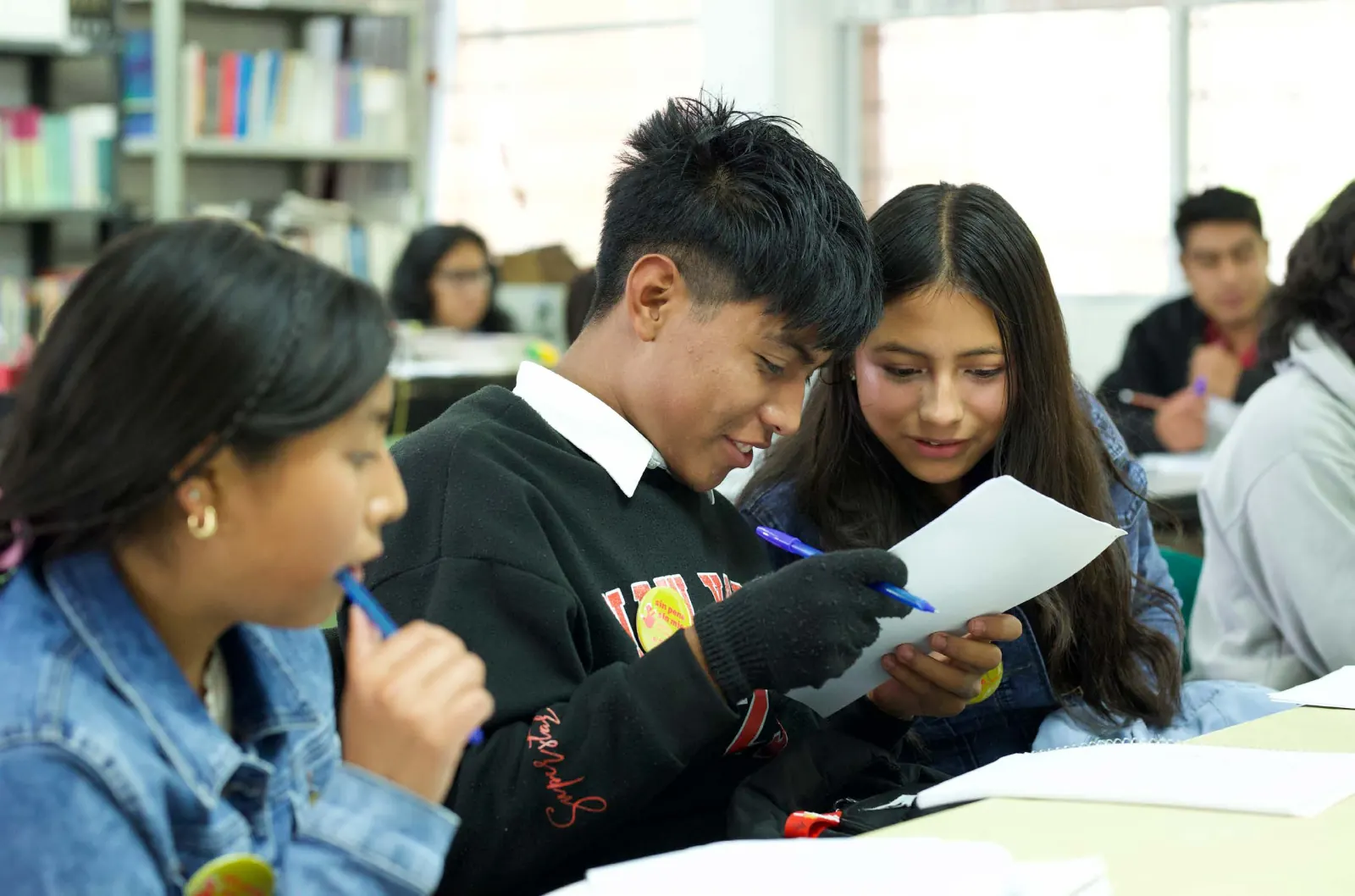
PAI partner Observatorio de Mortalidad Materna equips youth advocates with the knowledge and tools to promote comprehensive sexuality education, challenge misinformation, and advance reproductive rights in Mexico.

In a year of great change and even greater threats, the urgency to protect and support civic space was never more important. After all, it is in times of deep crisis that collective action can be used as a shield against harm and a catalyst for progress. Across countries, PAI worked alongside our partners and coalitions to respond to immediate threats and advance long-term change.

In Zambia , PAI supported Marie Stopes Zambia (MSZ) in advancing efforts to integrate sexual and reproductive health and rights into the country's climate policies. Building on four years of coalition- building, technical support, and shared learning through the Reproductive Health Advocacy Partnership (RHAP), PAI helped equip partners with the relationships and expertise needed to engage policymakers across sectors. In 2025, MSZ brought together a coalition of sexual and reproductive health and rights (SRHR) and climate organizations to advocate for the inclusion of reproductive health priorities in Zambia's national climate and health planning, helping ensure that women's health is recognized as an essential part of climate resilience.

When the Global Financing Facility made hundreds of millions of dollars available to national governments for sexual and reproductive health, maternal, newborn, child and adolescent health, and nutrition, PAI’s civil society partners pushed to ensure those resources reflected community needs. Over six years, this effort led to the formation of the Civil Society Coordinating Group (CSCG) , a coalition of over 750 local organizations in 35+ countries that engages with national governments to shape country investment cases, strengthen health and budget literacy at national and regional levels, and influence GFF processes both globally and in-country. PAI serves on the CSCG Steering Committee and continues to support learning and exchange, coalition coordination, and strategic partnerships to strengthen civil society’s role in advancing accountability and ensuring that financing delivers real impact for women, children, and communities.

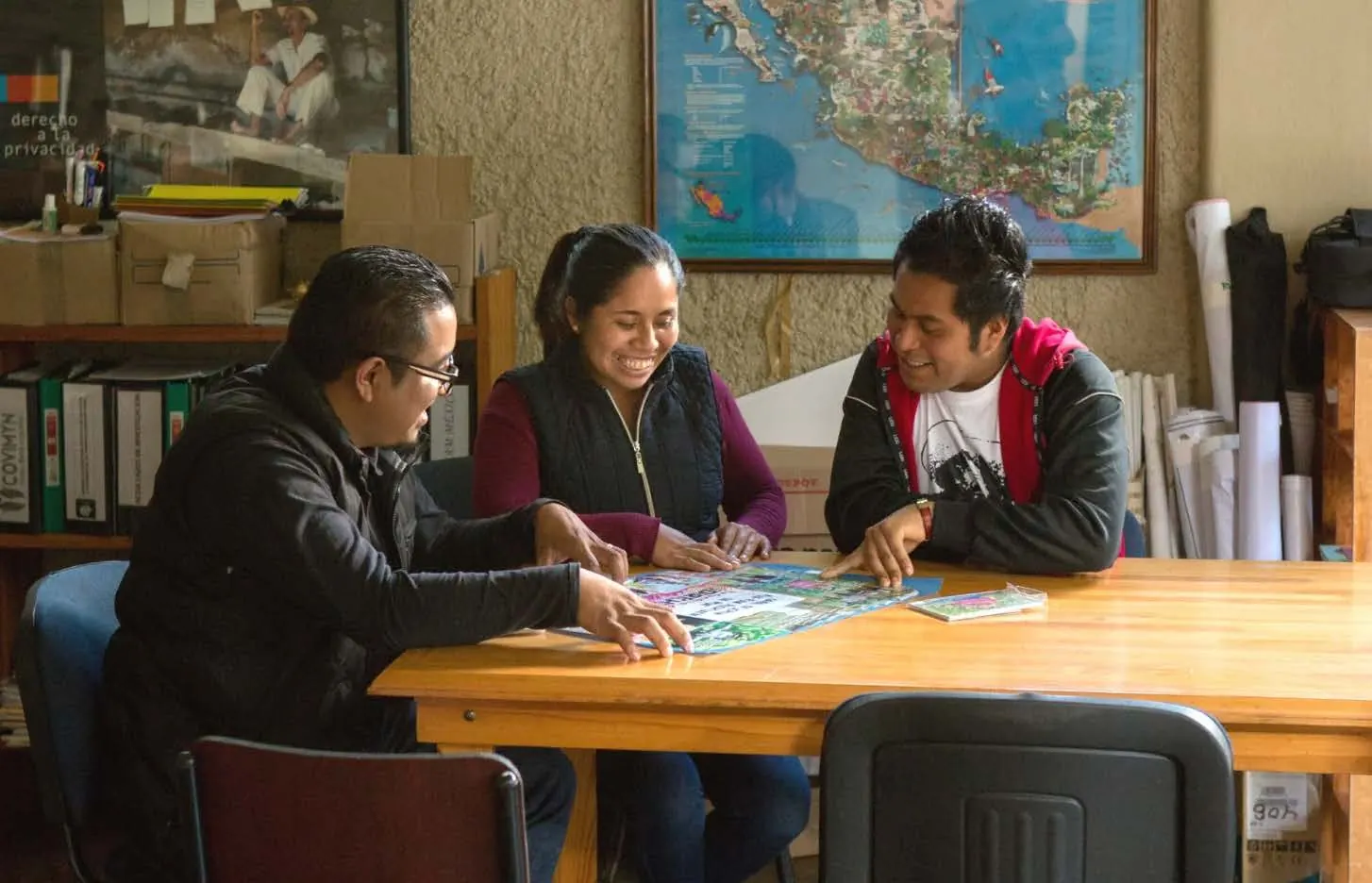
In Chiapas and Oaxaca, Mexico , PAI worked in partnership with Observatorio de Mortalidad Materna (OMM) and Mano Vuelta to build and sustain coalitions of teachers, youth advocates, and community leaders. Together, these community members are fighting misinformation, promoting evidence-based and comprehensive sexuality education, and dismantling harmful social and cultural norms. Thanks to a new partnership between Mano Vuelta and Mexico’s National Population Council (CONAPO), cultivated by PAI, sexual and reproductive health and rights education will be integrated with national education efforts, helping to helping institutionalize and scale these locally driven approaches.

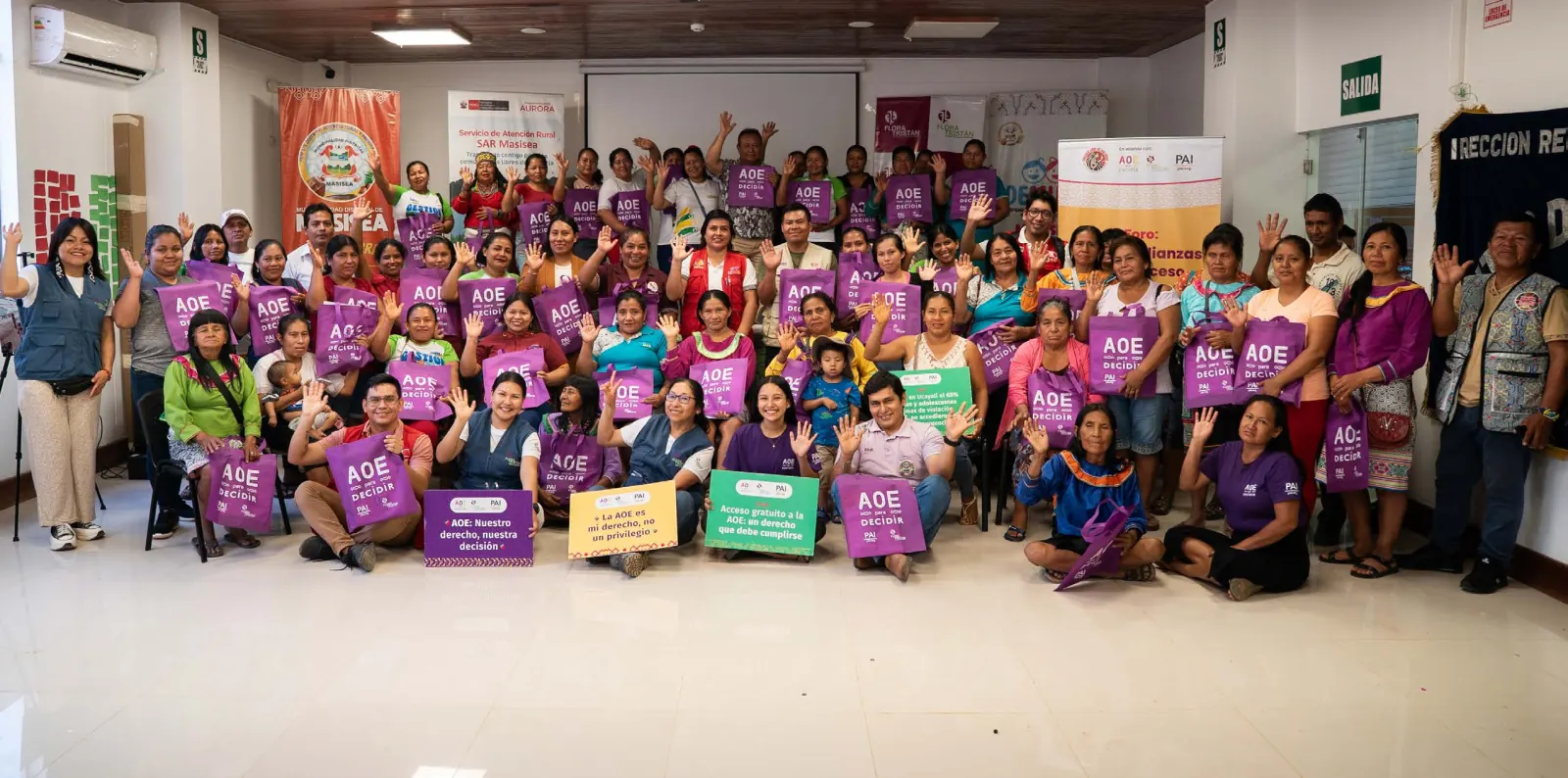
In Peru , in line with Acceso’s emphasis on community action and rights literacy, PAI and partners supported 136 Indigenous women leaders who organized 55 community-based education initiatives, reaching over 1,500 people.

These efforts have contributed to building local coalitions of Indigenous women advocates, youth, and community actors who serve as trusted messengers, expand access to SRHR information, reduce stigma, and strengthen collective advocacy and accountability at the community and regional levels.

Our new membership in the Latin America Consortium Against Unsafe Abortion (CLACLAI) further strengthens our role in the abortion rights space by connecting our partners to regional discussions and leveraging PAI’s global expertise.

These engagements reinforce PAI’s positioning as a trusted regional actor, allow us to amplify partner and community perspectives, and ensure sustained visibility for SRHR across Latin America and the Caribbean.

PAI Reproductive Health Advocacy Partnership program partners from Malawi and Zambia
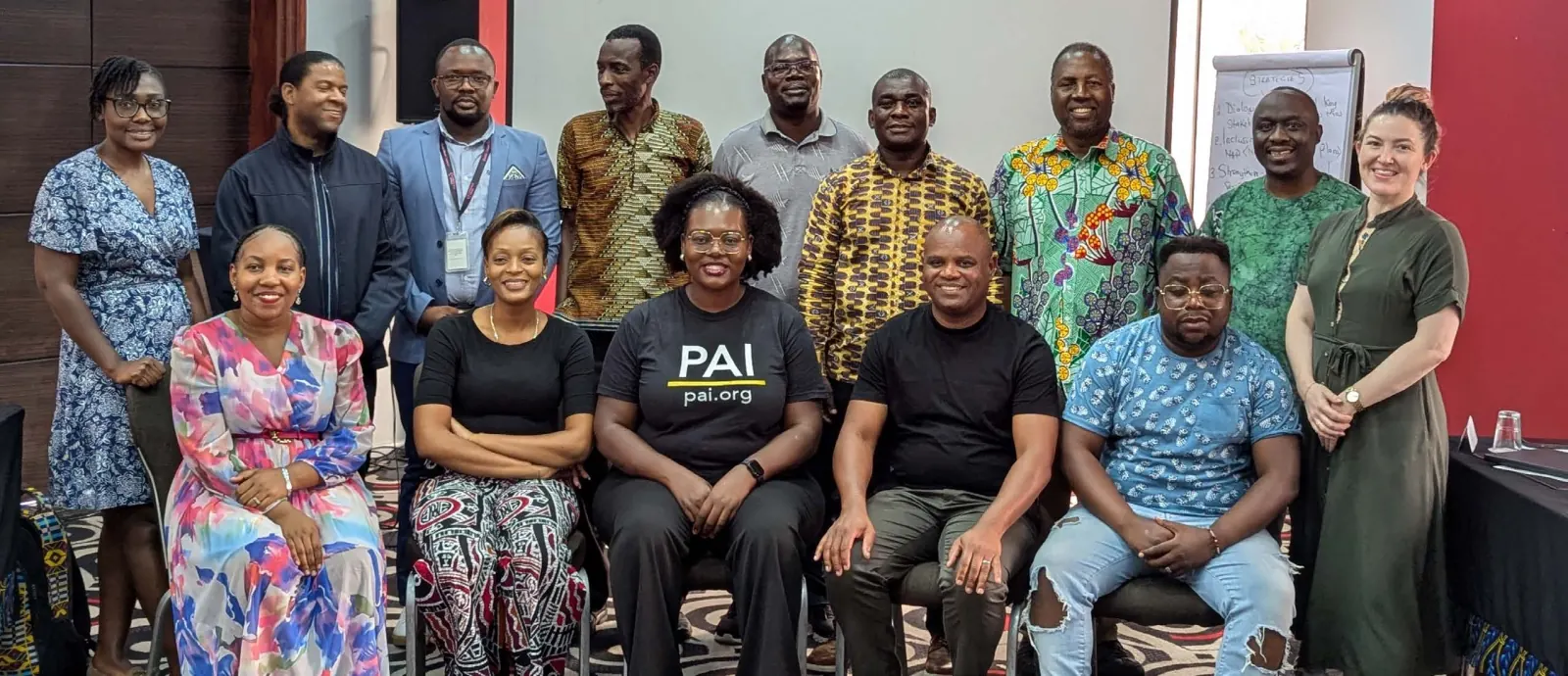
PAI’s Reproductive Health Advocacy Partnership (RHAP) program partners with civil society organizations in Malawi and Zambia to drive consensus and work in partnership to influence funding and policy decisions on SRHR. For nearly a decade, RHAP has strengthened advocacy capacity, expanded organizational effectiveness, and closed persistent gaps in SRHR and services.

Defending Rights

Private evaluation media
PAI partner Flora Tristán works with Indigenous women leaders to strengthen rights literacy, reduce stigma, and expand access to emergency contraception in rural communities across Peru.

The year 2025 taught us how easily hard-won advances can erode with shifting political winds. Yet across the regions where PAI works, our partners continue to demonstrate that we can protect progress through organized communities and actionable evidence.

In Malawi , PAI's long-standing partnership with BLM helped position the organization as a trusted leader on sexual and reproductive health and rights during a pivotal moment for abortion rights. Building on years of flexible support, coalition-building, and shared learning through the Reproductive Health Advocacy Partnership (RHAP), BLM partnered with the Nyale Institute to advance a landmark High Court case while mobilizing a network of trained journalists to elevate accurate, rights-based coverage nationwide. In October 2025, the Court ruled that minors who become pregnant as a result of rape or incest have the right to abortion and clarified that the legal exception to preserve the life of the mother includes both physical and mental health, marking a landmark victory for reproductive rights in Malawi.

In summer 2025, the long-running fight over “las tres causales” (the three exceptions)— allowing abortion when a woman’s life is at risk, when a pregnancy is the result of rape or incest, or when the fetus is not viable—in the Dominican Republic reached another pivotal moment as Congress once again debated reforms to the penal code.

Despite sustained pressure from civil society, feminist organizations, and youth-led activists— who organized protests, public campaigns, and direct engagement with lawmakers—the legislation advanced without fully enshrining all three exceptions for abortion.

PAI-supported partners, including InSalud and Grupo GIS, played a critical role throughout this period, amplifying community voices, mobilizing activists, and engaging political leaders to keep the issue at the forefront of national debate. Through their leadership—and the coalitions they continue to strengthen—partners have sustained public engagement and elevated lived experiences, even in the face of repeated setbacks. While the outcome fell short, momentum continues to grow, demonstrating the power of coordinated civil society action to shift narratives, build accountability, and steadily advance change.

PAI continues to serve as a connector and amplifier, convening advocates and policymakers, providing technical expertise, and elevating partner voices in national and global conversations. We will continue to support civil society leaders working to defend rights, strengthen partnerships, and engage communities to inform policy. These strategies help preserve momentum in a rapidly changing global landscape.

PAI partner CORHA and UNFPA Ethiopia family planning workshop
PAI partner CORHA and UNFPA Ethiopia gather policymakers, advocacy leaders, and family planning technical leaders in Ethiopia for a high-level workshop on advancing family planning access to adapt to a new landscape for global health.

Financing Family Planning

Over the past decade, PAI has partnered with organizations and consortia across multiple countries, including the African Health Budget Network (AHBN) in Nigeria and the Consortium of Reproductive Health Associations of Ethiopia (CORHA), to strengthen advocacy systems that encourage governments to finance sexual and reproductive health services and fulfill policy commitments. Through sustained collaboration, PAI supported partners to build advocacy capacity, strengthen policy frameworks, and apply practical tools to track commitments and influence decision-making.

In 2025, as international development assistance for SRHR declined sharply, both AHBN and CORHA demonstrated the lasting impact of this work— mobilizing quickly to advance domestic solutions.

In Nigeria , AHBN leveraged its leadership across national and state platforms to advocate for increased family planning financing, contributing to new resource flows through national health initiatives, insurance mechanisms, and partnerships with UNFPA. In Ethiopia , CORHA worked closely with the government and parliament to expand domestic investment in reproductive health, including integrating family planning into the Community-Based Health Insurance Program and driving a 325 percent increase in mobilized resources compared to the previous year. Regional advocacy efforts also led six state governments to establish dedicated budget lines for SRHR, strengthening accountability and ensuring more consistent funding.

In 2025, these partners demonstrated that long-term investments in capacity can translate into sustained, country-led progress, during times of global uncertainty.

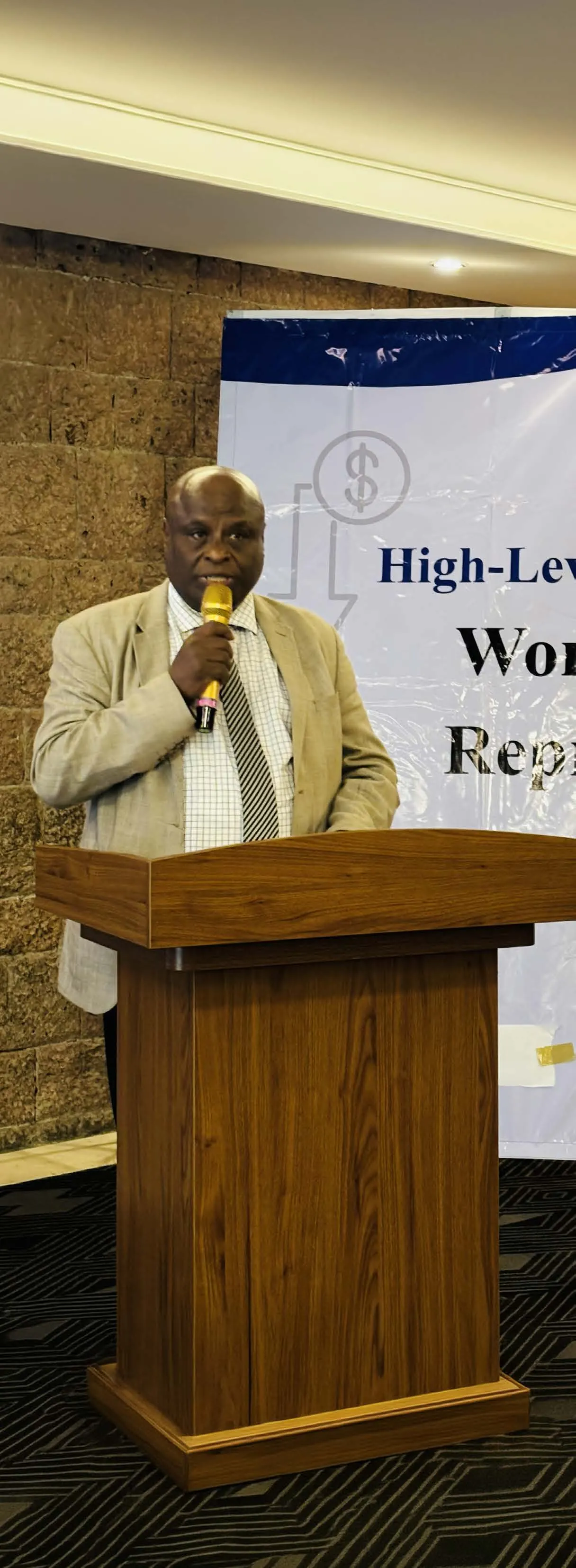
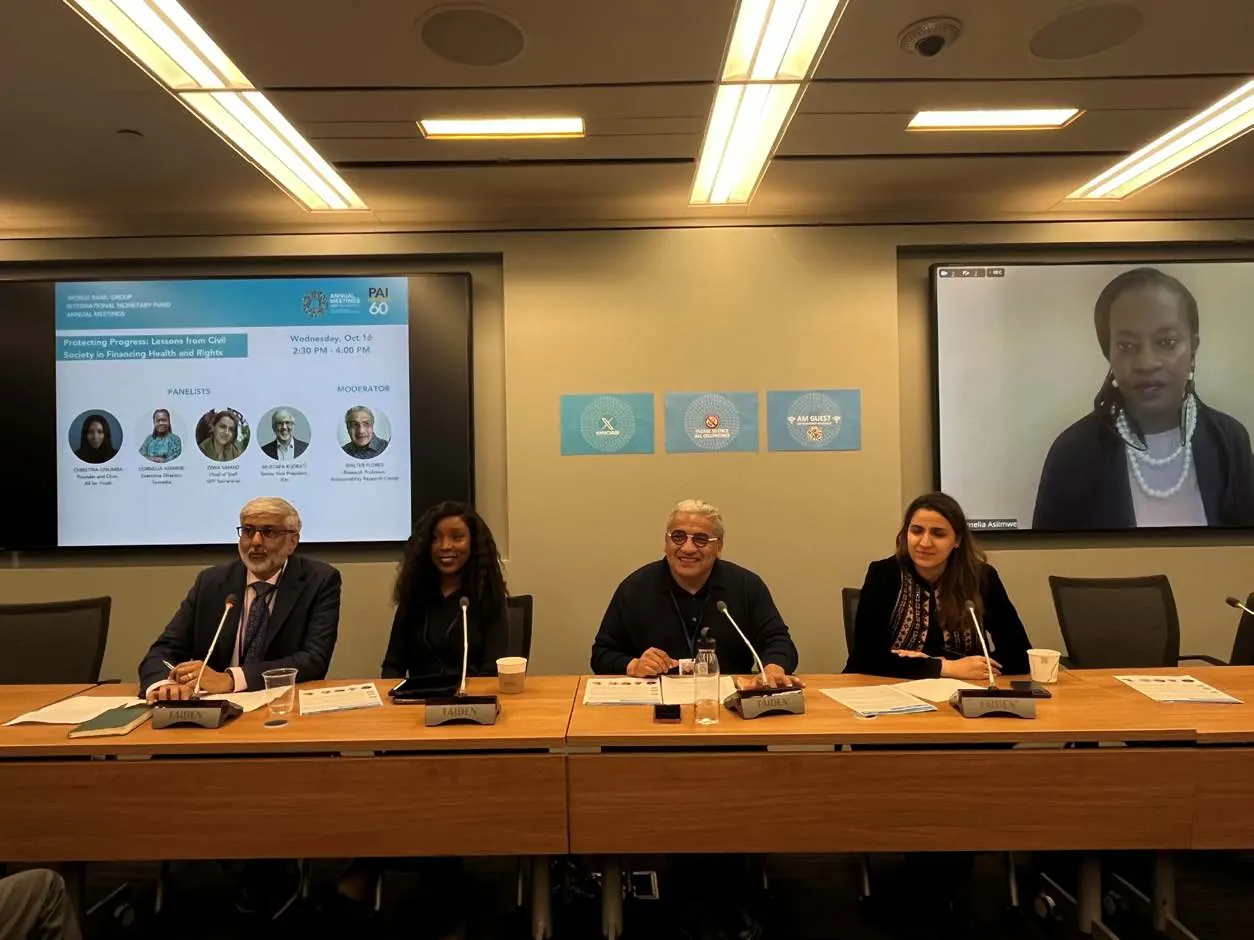
PAI and partners at the World Bank Group Annual Meetings
At the World Bank Group Annual Meetings, PAI was one of the few organizations selected for a panel presentation at the Civil Society Policy Forum. The panel brought PAI staff and partners from Latin America and sub-Saharan Africa to share practical examples of how CSOs and advocates have drawn on cross-regional and youth-led advocacy approaches to secure domestic resources for health services, even in the midst of crises, political transitions, and shifts in official assistance.
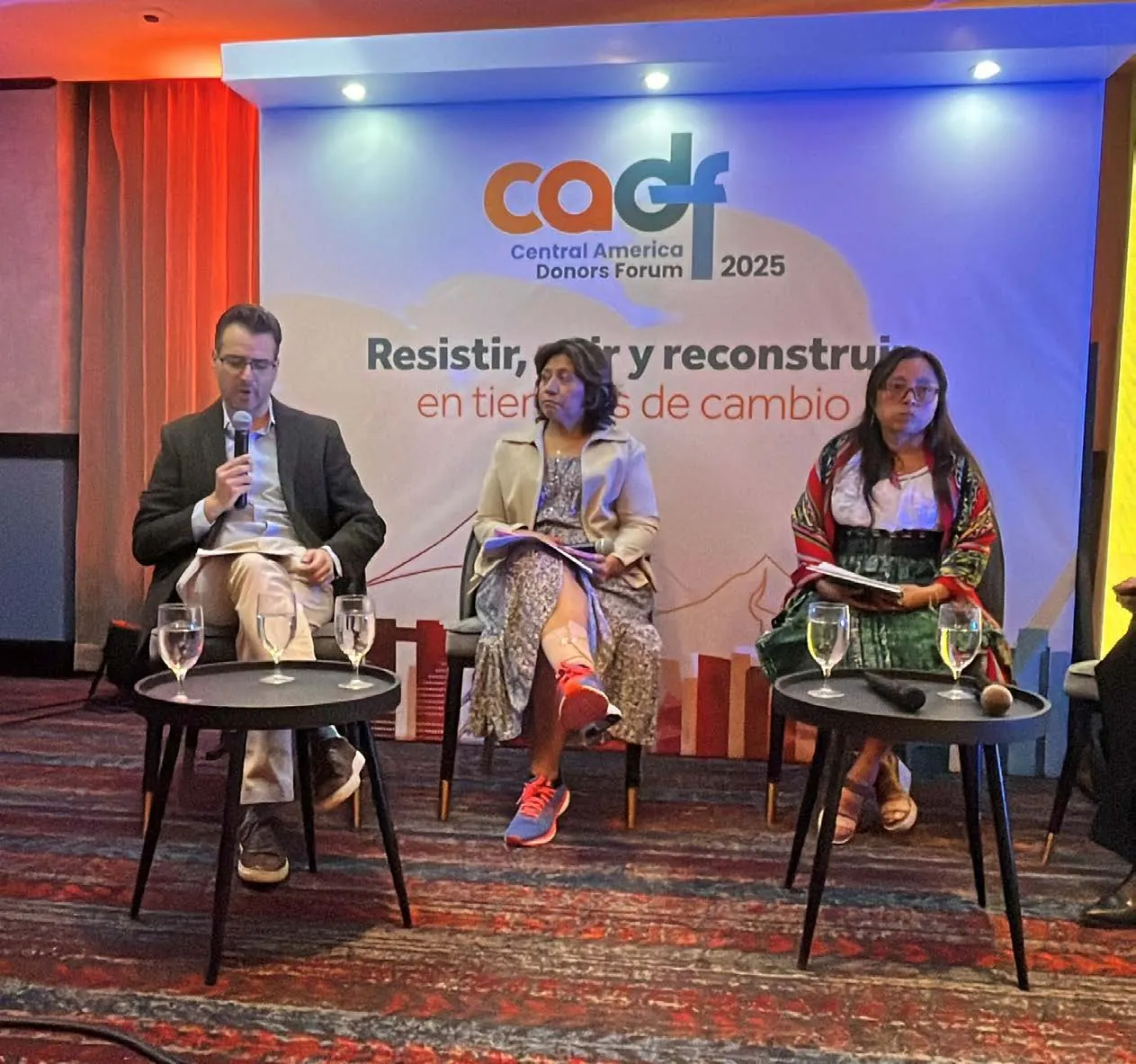
PAI and partners at the Central American Donors Forum
At the Central American Donors Forum, PAI and partners explored how local leadership, strategic alliances, and community action can drive progress for sexual and reproductive health and rights.
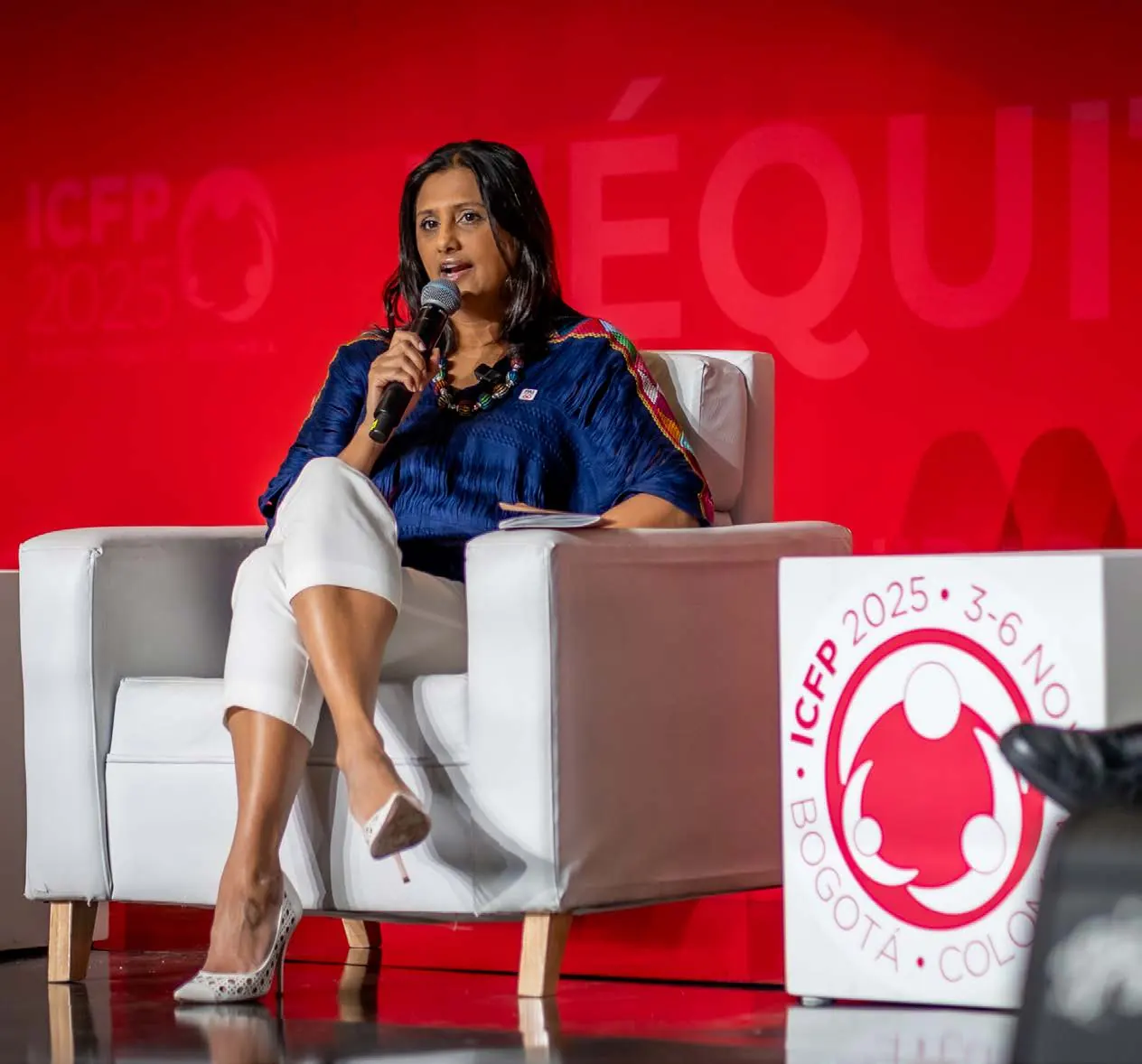
PAI leadership speaking during a 2025 ICFP spotlight session
During the 2025 ICFP Spotlight session on “Going Beyond the Echo Chamber,” PAI spoke about the need to engage with new audiences.
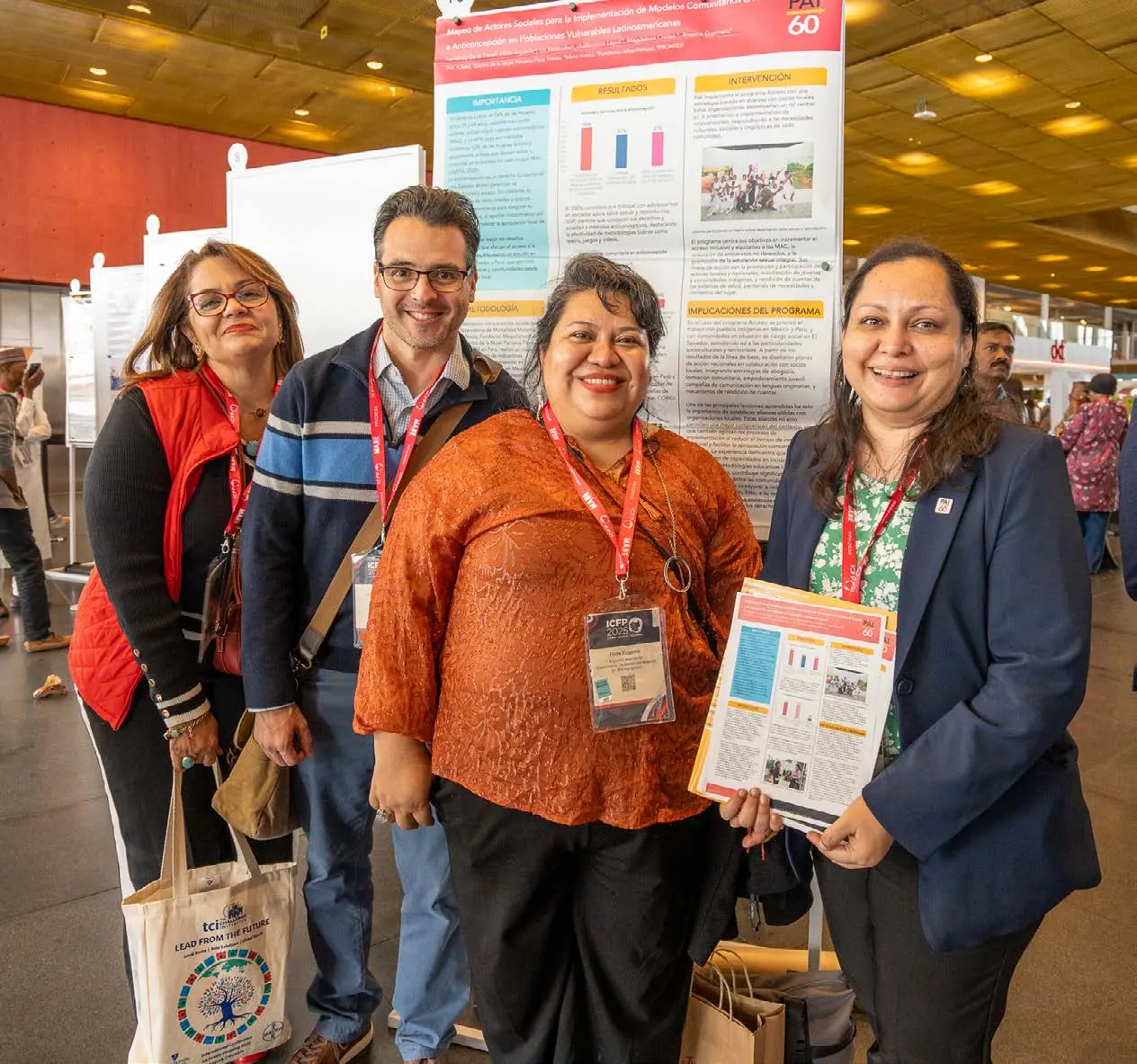
PAI and partner research posters at the 2025 International Conference on Family Planning
PAI and partners presented three posters at the 2025 ICFP, drawing on learnings and data from the Acceso project.

Elevating Insights and Evidence

Throughout the year, PAI convened advocates, donors, and policymakers through briefings and global fora, reinforcing the need for shared global leadership.

At the Fourth International Conference on Financing for Development (FFD) in Seville, PAI spoke on a high-level panel alongside donor, policymakers, and His Royal Highness the Prince of Jordan. FFD presented an important opportunity to engage with global leaders to better understand and shape the evolving financing landscape. Over the course of the week, PAI and our civil society peers were recognized as a critical force in driving accountability and informing national financing agendas, particularly as traditional funding streams decline. PAI’s presence ensured that these insights inform our advocacy and partnerships moving forward.

We were also honored to be invited to contribute to UNFPA’s 2025 Global Symposium on Bridging the Gap in Sexual and Reproductive Health of Afro-descendant Women and Adolescents in Costa Rica, a milestone marking the launch of the UNFPA Afro-Descendant Coalition. Throughout the Americas, women of African descent are more likely to die in childbirth or in the postpartum period compared to non-African descent and non-indigenous women. This staggering statistic is driven by systemic inequities and gaps in data and access. This symposium highlighted the critical need for sustained, targeted investments and coordinated global action. Throughout the year, our engagement with UNFPA’s Afro-Descendant Coalition helped to shape the advocacy agenda to drive health equity for Afro-Descendant women.

PAI continues to leverage opportunities to bring the voices of key local partners into regional decision- making spaces, to share their unique insight and influence decisions that will ultimately affect them.

At the World Bank Group Annual Meetings, PAI was one of the few organizations selected for a panel presentation at the Civil Society Policy Forum. The panel brought PAI staff and partners from Latin America and sub-Saharan Africa to share practical examples of how CSOs and advocates have drawn on cross-regional and youth-led advocacy approaches to secure domestic resources for health services, even in the midst of crises, political transitions, and shifts in official assistance.

PAI and partners presented three posters at the 2025 ICFP, drawing on learnings and data from the Acceso project.

During the 2025 ICFP Spotlight session on “Going Beyond the Echo Chamber,” PAI spoke about the need to engage with new audiences.

PAI partners and leadership from the Global Financing Facility spoke about the growing importance of domestic resource mobilization in sustaining gains for health and rights and lessons to learn from. The conversation underscored that sustainable progress requires adequate resources, as well as inclusive and accountable systems.

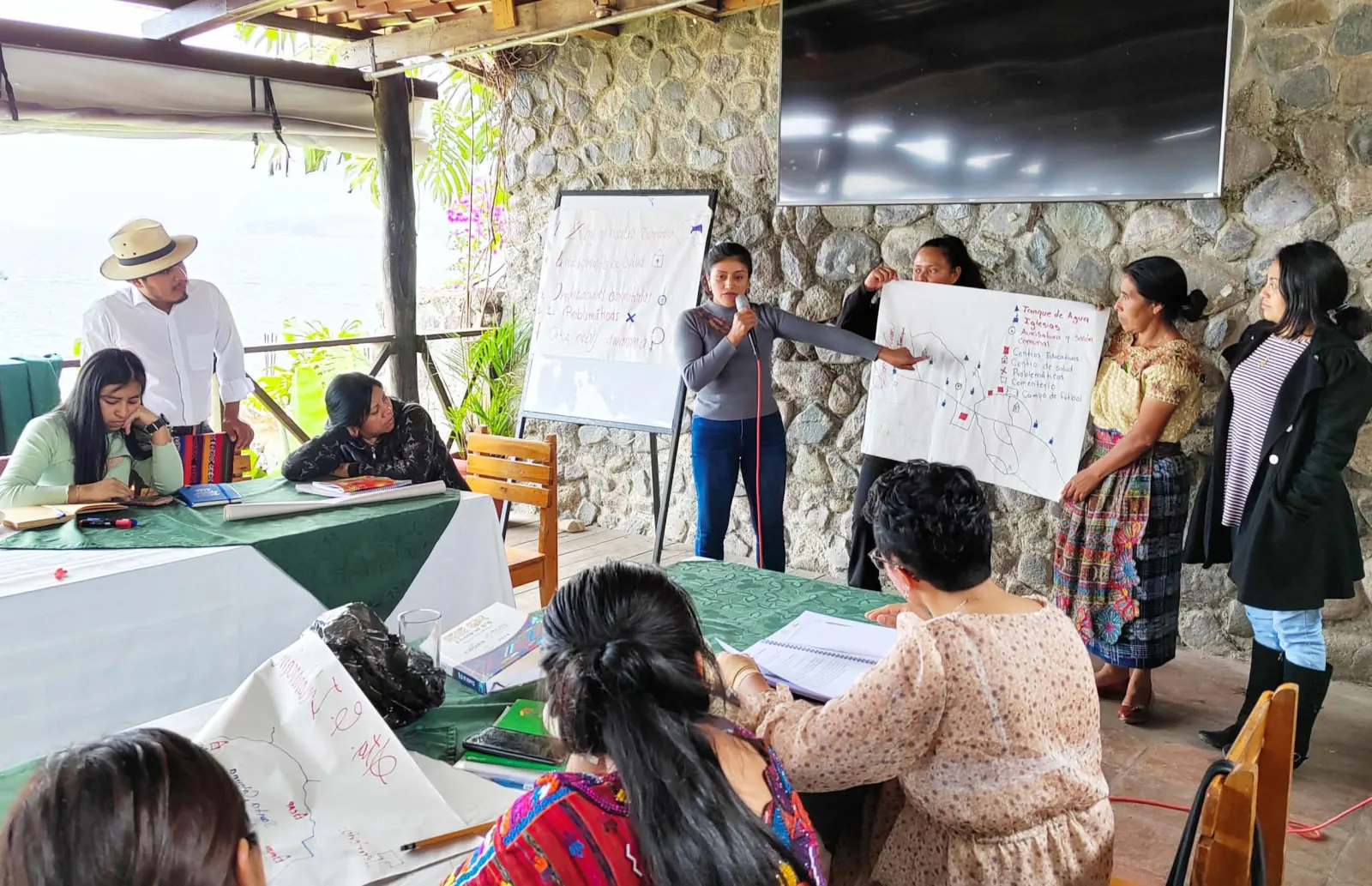
In Guatemala, PAI also had a strong presence at the Central America Donors Forum. Our panel discussion, "Equitable Access: Civil Society and Sexual and Reproductive Rights," showcased how civil society across the region is countering setbacks and advancing systemic change through our Acceso program model, developed by PAI and LAC regional partners to expand equitable access to SRHR. With PAI support, our partners from Guatemala and Mexico were also able to participate in this conference, joining panels and making critical connections with organizations from across the region.

PAI also played a leadership role as a co-sponsor of the 2025 International Conference on Family Planning in Bogota, where we joined more than 4,000 advocates and researchers from around the world to learn about and elevate insights within the SRHR community. Our official side event was a dynamic “fish bowl” style conversation that showcased how our civil society partners are advancing SRHR in their communities amid shrinking civic space and increasing opposition. At the ICFP high-level Spotlight event, “Beyond the Echo Chamber,” PAI underscored the urgency and opportunity to expand family planning advocacy to new audiences. PAI and co-organizers developed a USAID Legacy Panel, presented multiple scientific posters with our partners, and spoke alongside youth and executive leadership during the ICFP Youth Pre-Conference with panel remarks focused on meaningful youth participation and feminist leadership in advancing SRHR. We were proud to sponsor partners from around the world to participate in the conference, helping ensure that those closest to the work were able to share their expertise and help define the agenda for the future of SRHR.

Across these spaces, PAI is contributing to global conversations and helping to shape them so that evidence and remain at the center of progress.

At the Central American Donors Forum, PAI and partners explored how local leadership, strategic alliances, and community action can drive progress for sexual and reproductive health and rights.

Amid unprecedented attacks on global reproductive health and shrinking civic space, PAI brought partners from

Private evaluation media

Amid unprecedented attacks on global reproductive health and shrinking civic space, PAI brought partners from around the world to attend and participate in the 2025 International Conference on Family Planning.

In 2025, as the U.S. government retreated from global reproductive health leadership, PAI ensured local advocates remained at the center of the world's largest family planning convening to share evidence, build partnerships, and shape what comes next.

For 60 years, PAI has worked alongside advocates and communities

to advance sexual and reproductive health and rights and expand opportunities for women and girls worldwide. Together, we're driving progress, challenging injustice, and build a stronger foundation for reproductive freedom.

Private evaluation media

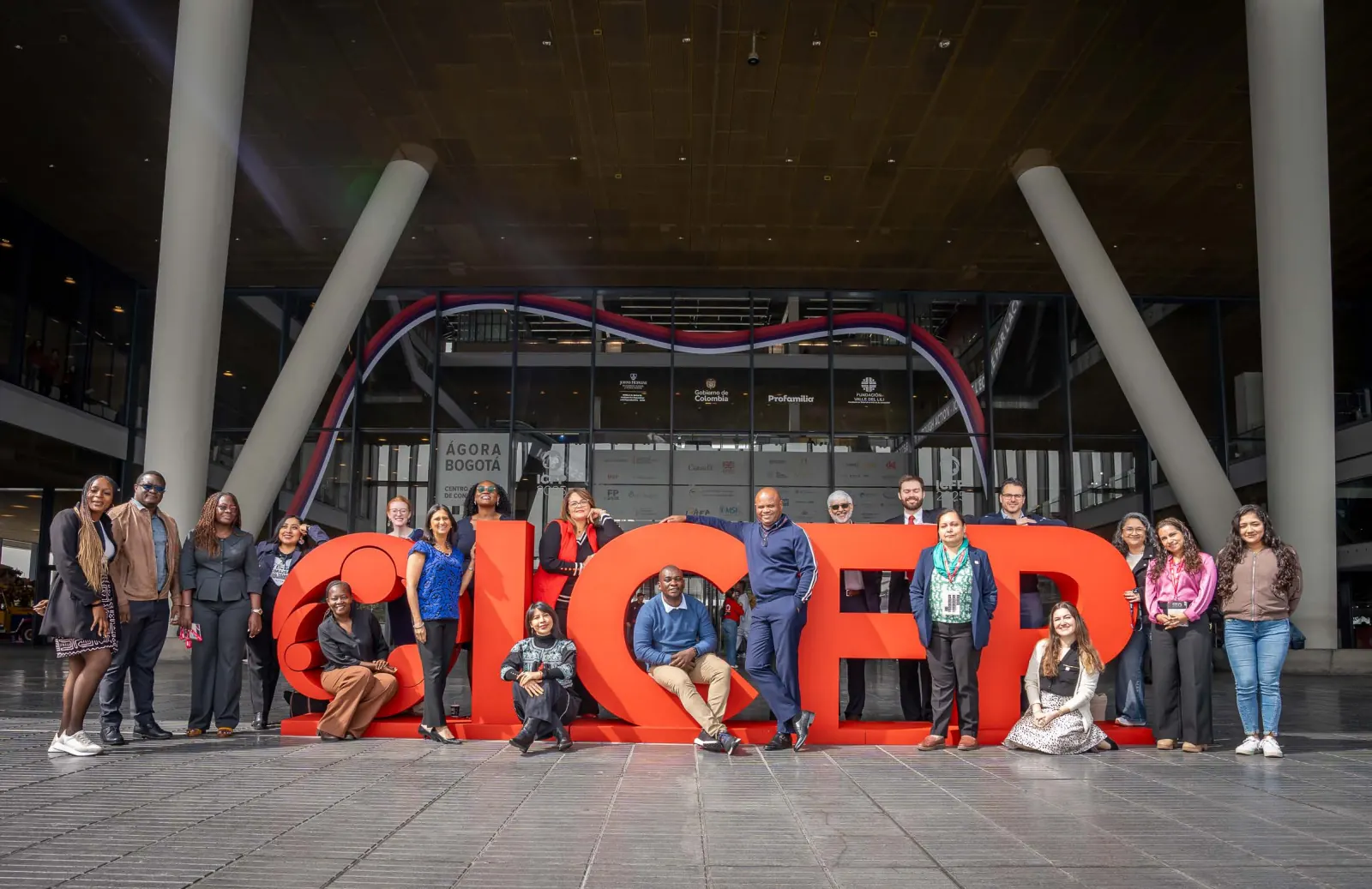
In 2025, PAI marked 60 years of advancing sexual and reproductive health and rights at a time of extraordinary threats to global health, rights, and equity. Pictured here, PAI staff gather in Washington, D.C., united by a shared commitment to reproductive freedom. As we look to the future, we remain steadfast in our fight for policies rooted in dignity, accountability, and the fundamental right of every person to make decisions about their own body and future.

Thank you for making this work possible. As we look ahead, we remain committed to demanding a future where everyone can exercise their rights and make informed choices about their bodies and lives.

GET INVOLVED

Every time someone gives to PAI, the impact of their gift reverberates across a global ecosystem of partners. This support strengthens a movement that is dedicated to protecting the fundamental right of every person to make decisions about their own lives, bodies, families, and futures.

DONATE

visit give.pai.org/donate or contact us at donations@pai.org to learn more!

Financials

Financials

At PAI, we’re committed to transparency and accountability—we deeply value the trust our donors place in us and work every day to honor that commitment by making the most of every contribution.

To see the PAI 2025 Audited Financial Statements, please visit pai.org/about/financials .

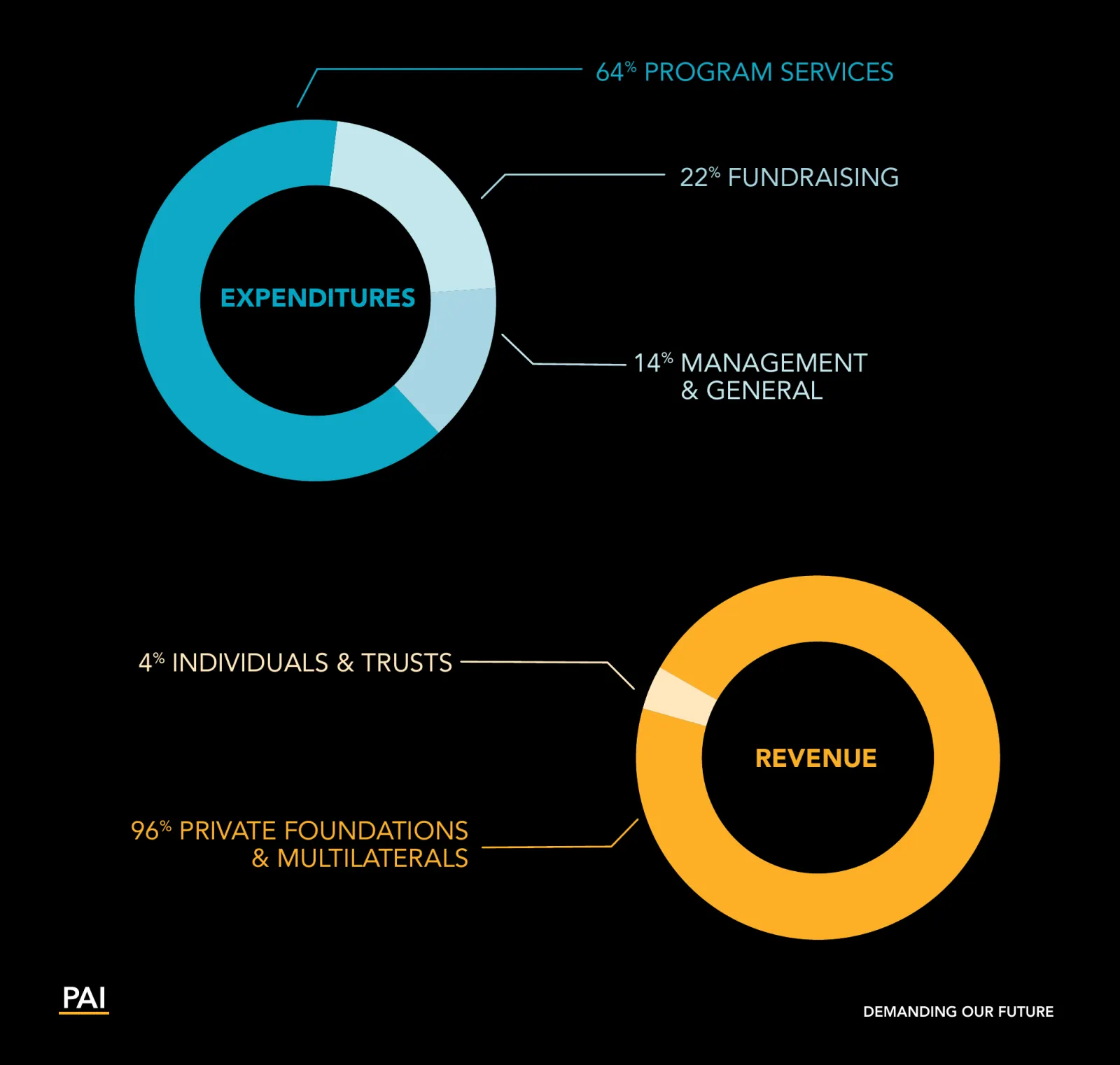
PAI 2025 expenditures and revenue charts: 64% program services, 22% fundraising, 14% management and general; 96% private foundations and multilaterals, 4% individuals and trusts
64 % PROGRAM SERVICES22 % FUNDRAISING14 % MANAGEMENT& GENERAL96 % PRIVATE FOUNDATIONS& MULTILATERALS4 % INDIVIDUALS & TRUSTSREVENUE

Board of Directors
Neeraja Bhavaraju

Chair

James Siegal, J.D.

Vice Chair

Barbara Sapin, J.D.

Secretary

Luis Guardia

Treasurer (UNTIL DECEMBER 2025)

Gilbert Deans

Treasurer (SINCE DECEMBER 2025)

Nabeeha Kazi Hutchins, MPH

President and CEO, Ex Officio

Barbara Camens, J.D. (UNTIL JUNE 2025)

Karla Berdichevsky Feldman, M.D., MPH

Sujata Lamba (UNTIL JUNE 2025)

Angela Bruce-Raeburn

Patricia Fairfield, Ph.D.

Vineeta Gupta, M.D., J.D., LL.M

EMERITUS MEMBERS

Pouru Bhiwandi, M.D.

The Honorable William H. Draper III

Phyllis Tilson Piotrow, Ph.D.

Sharon L. Camp, Ph.D. (DECEASED)

Thomas E. Lovejoy, Ph.D. (DECEASED)

Nafis Sadik, M.D. (DECEASED)

Vicki Sant (DECEASED)

Neeraja Bhavaraju

James Siegal, J.D.

Barbara Sapin, J.D.

Luis Guardia

Gilbert Deans

Treasurer (SINCE DECEMBER 2025) Nabeeha Kazi Hutchins, MPH President and CEO, Ex Officio Barbara Camens, J.D. (UNTIL JUNE 2025) Karla Berdichevsky Feldman, M.D., MPH Sujata Lamba (UNTIL JUNE 2025)

Angela Bruce-Raeburn

Patricia Fairfield, Ph.D.

Vineeta Gupta, M.D., J.D., LL.M Pouru Bhiwandi, M.D.

The Honorable William H. Draper III Phyllis Tilson Piotrow, Ph.D.

Sharon L. Camp, Ph.D. (DECEASED) Thomas E. Lovejoy, Ph.D. (DECEASED) Nafis Sadik, M.D. (DECEASED)

Vicki Sant (DECEASED)

PAI and our partners around the world are demanding a future where

everyone can exercise their sexual and reproductive health and rights. From grassroots advocacy to global policymaking, we are working together to hold leaders accountable, elevate local voices, and advance lasting change—even in the face of unprecedented challenges.

powering activism

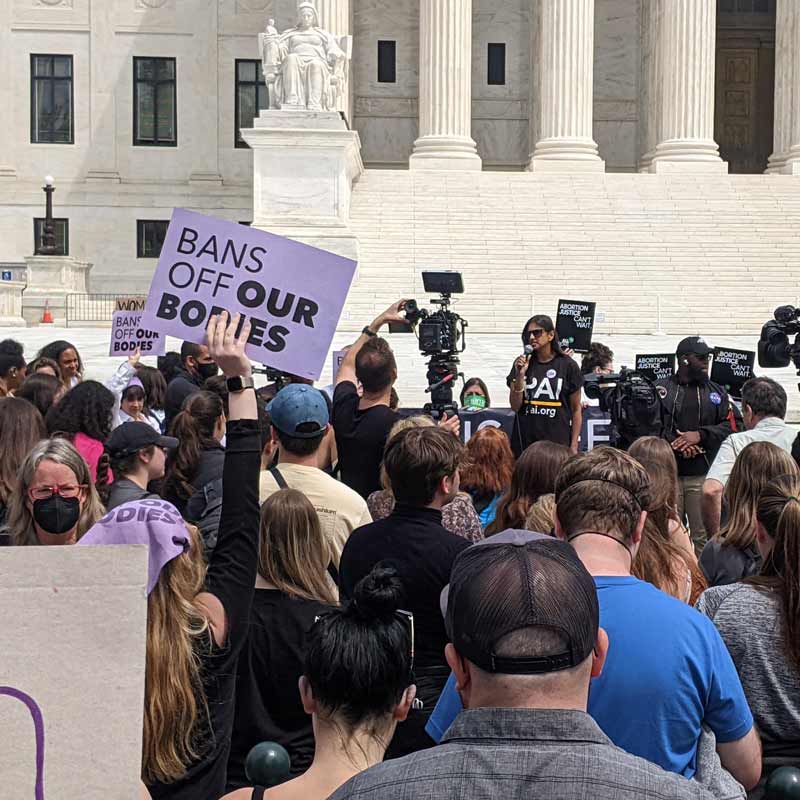
On May 2, 2022, news of the leaked Dobbs decision overturning Roe v. Wade sent shockwaves that reverberated across the United States and around the world. PAI responded within hours, joining thousands of protestors on the steps of the U.S. Supreme Court. We spoke out on social media, provided context on the global impacts of the ruling for the media and stood in solidarity with our fellow champions fighting for reproductive rights domestically.

Speaking truth to Power Power In Washington D.C.

By the time the Dobbs decision became official on June 24, PAI already had spent weeks refining our strategy and messaging to continue advancing our agenda in a post-Roe political climate.

Key to our ability to take quick action was our long-standing leadership of the International Family Planning Coalition (IFPC) — an alliance of more than 70 members representing rights-focused groups and international humanitarian, development and faith-based organizations.

The collective advocacy of PAI and our coalition partners led to significant gains on Capitol Hill in 2022. Together, we secured record support — over 200 co-sponsors — for the Global Health, Empowerment and Rights (Global HER) Act, which would permanently repeal the Global Gag Rule. We also worked with our champions in the Senate to introduce the Abortion is Health Care Everywhere Act, which would eliminate the Helms amendment.

We succeeded at avoiding funding cuts for international family planning and reproductive health programs and the United Nations Population Fund (UNFPA) — no small feat, given the emboldened opposition in Congress.

While our focus is on the international sphere, we were not simply bystanders to what was happening in the United States. We stood with our fellow advocates working in the domestic space, including supporting the Title X domestic family planning program and endorsing the Women’s Health Protection Act to re-establish a federal right to abortion care.

We do all this as part of a vocal, unified sexual and reproductive health and rights movement — a movement that we will continue to strengthen, both at home and abroad.

In addition to hundreds of engagements with congressional staff, PAI’s advocacy in Washington, D.C., included:

letters signed to U.S. policymakers
0
pieces of legislation endorsed
0
policy briefs and analyses published
0